
Last updated September 20, 2026
Full 25-point door and opener safety check with every visit - springs, cables, rollers, tracks, and your LiftMaster or Chamberlain opener included
You get a price before we start. It does not change when the truck arrives.
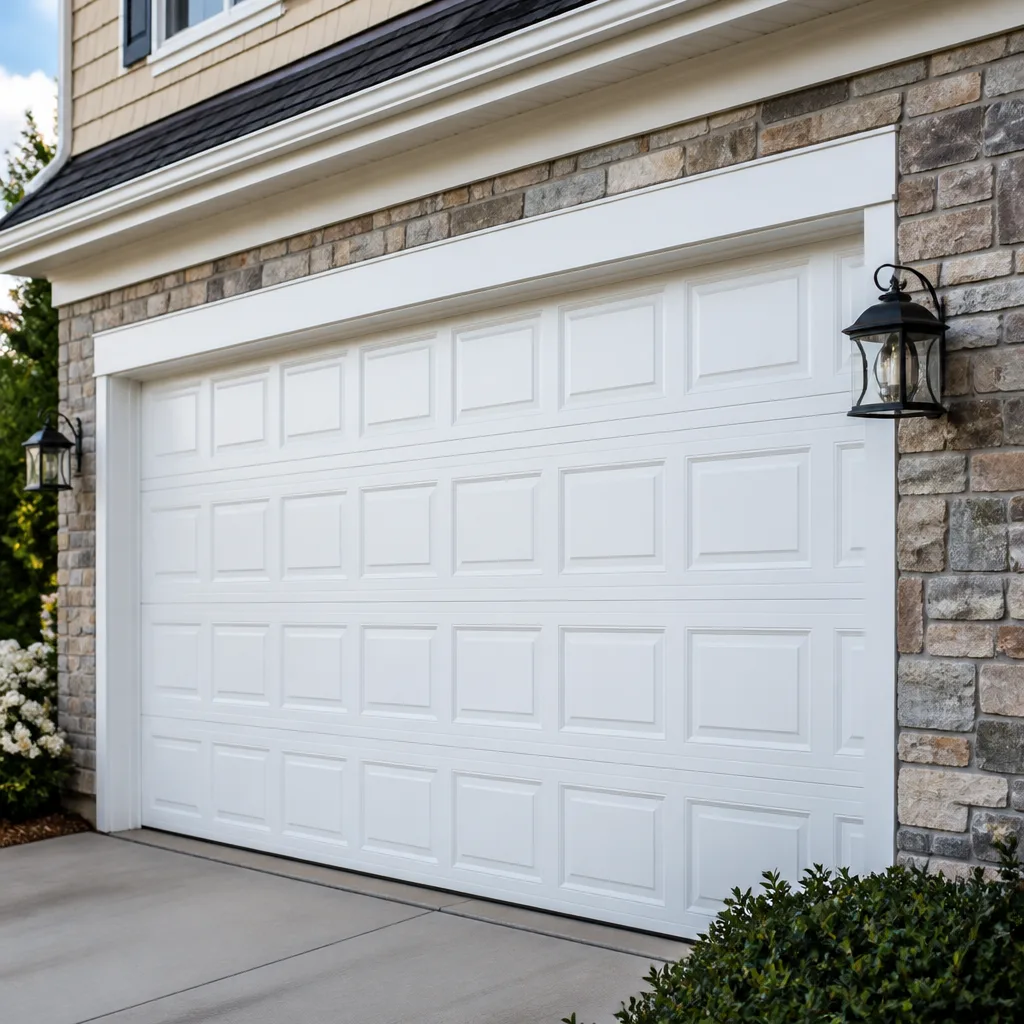
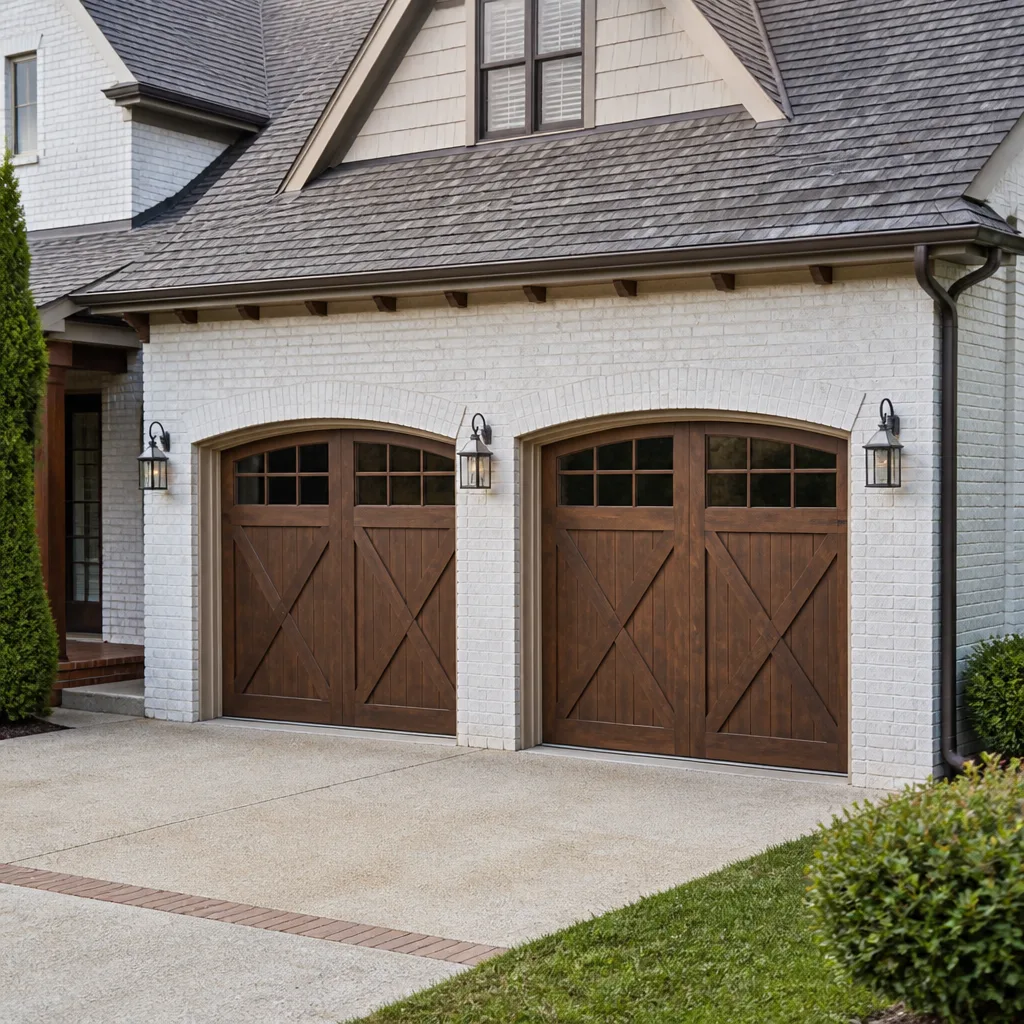
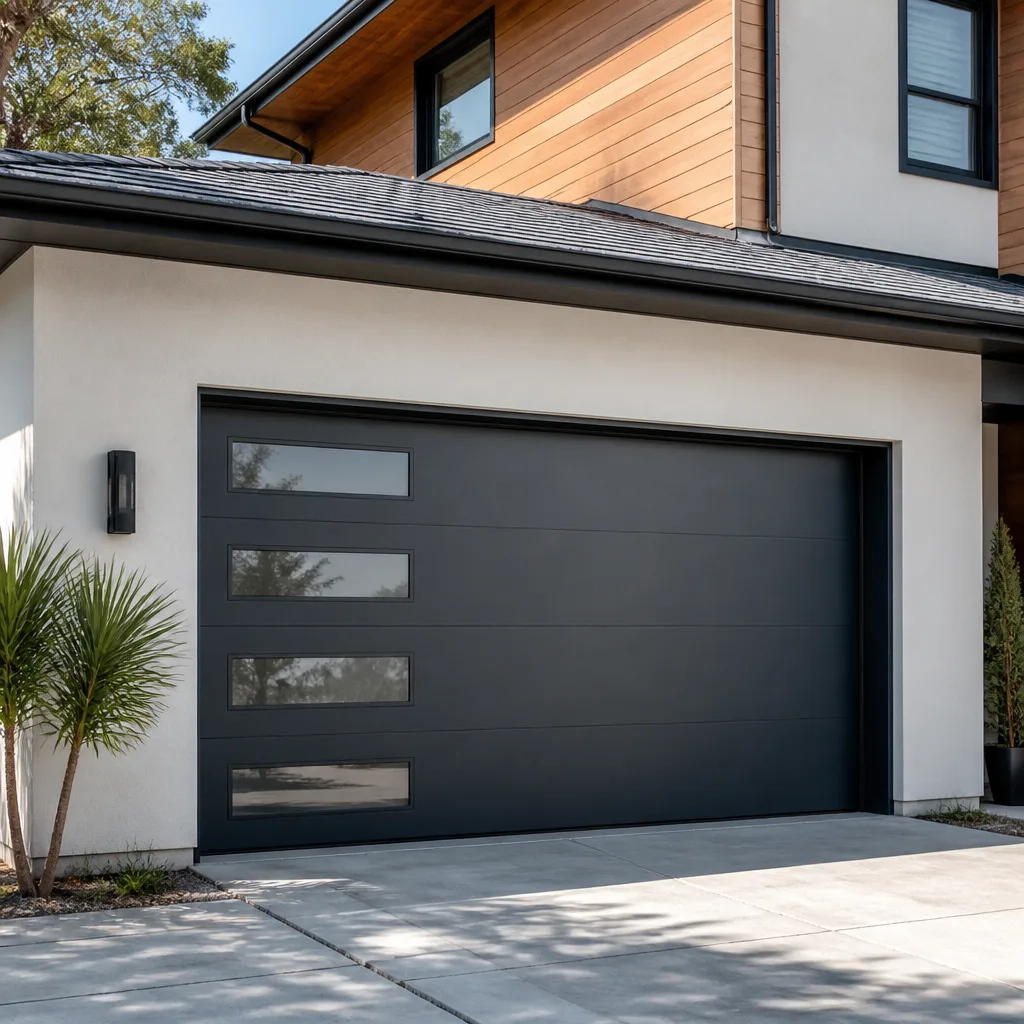
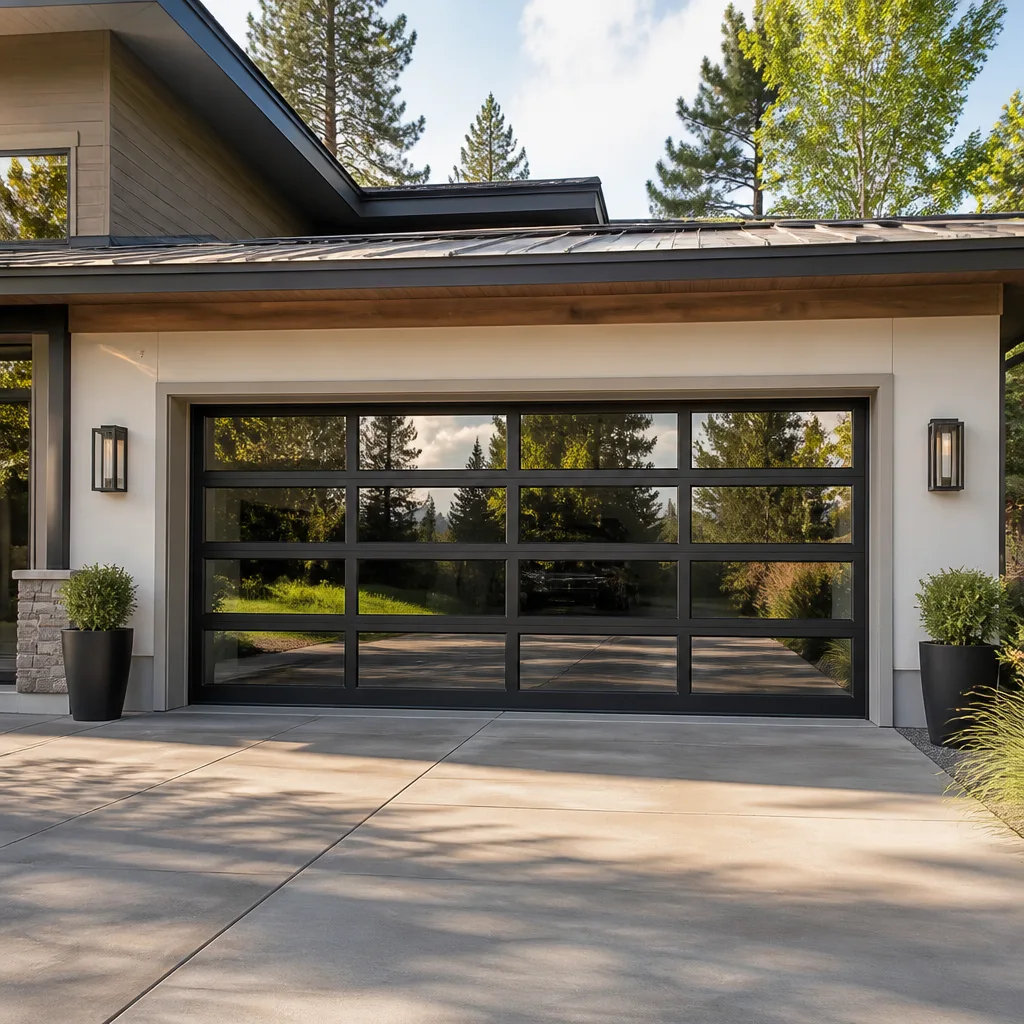
 Before
 After
After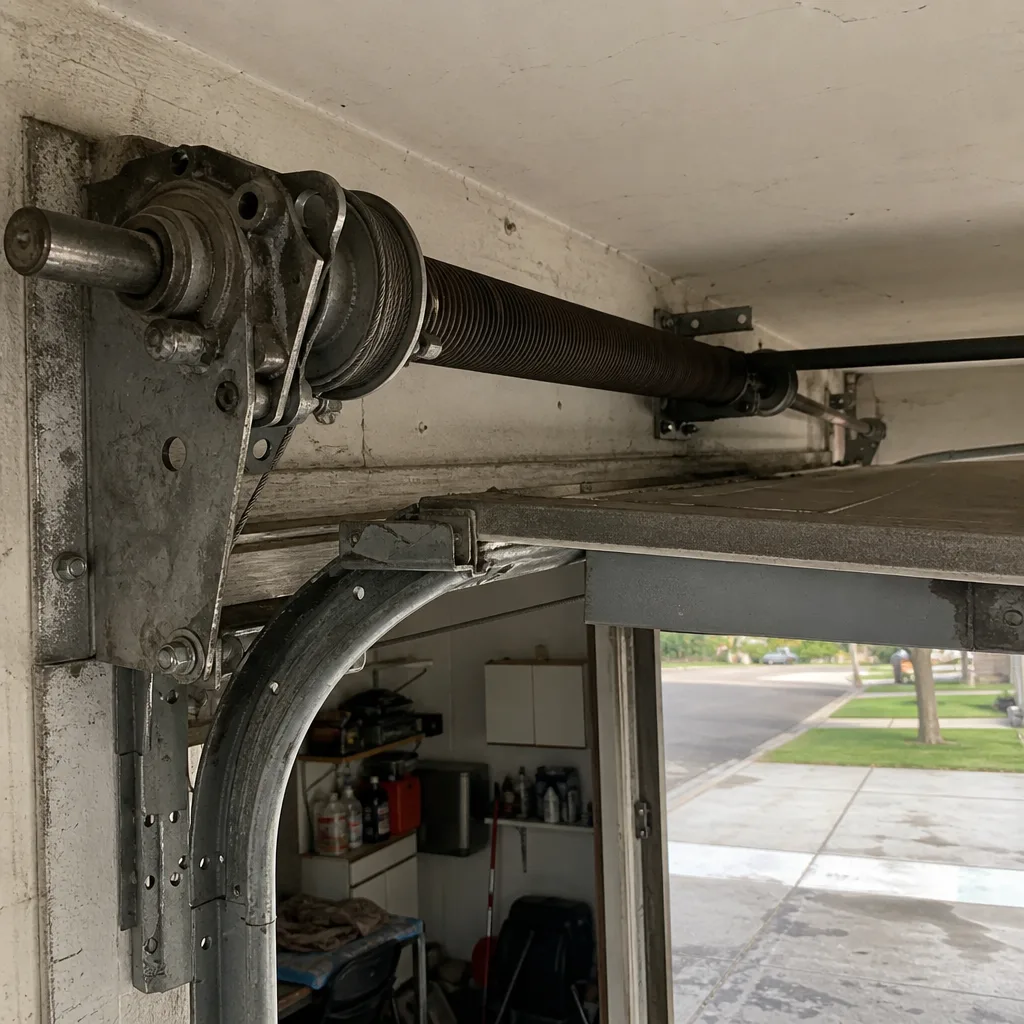 Before
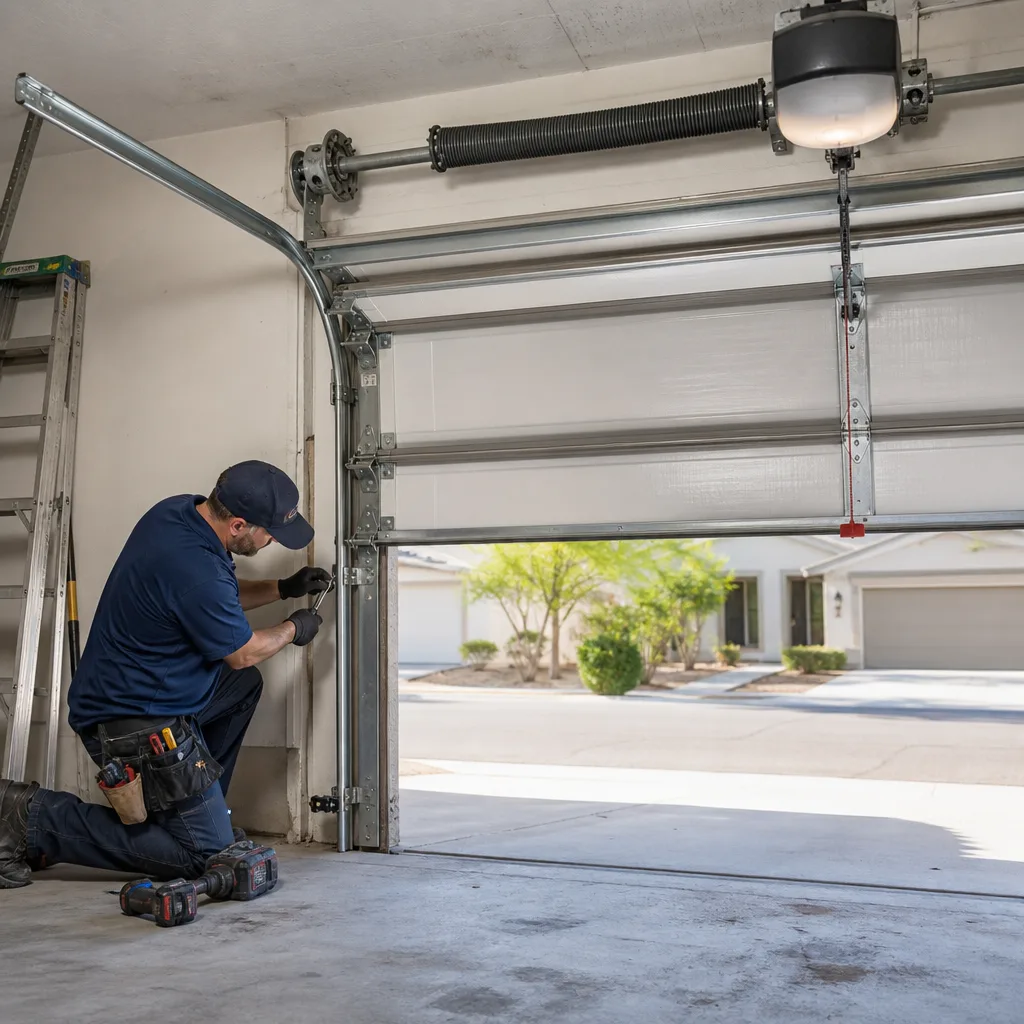 After
After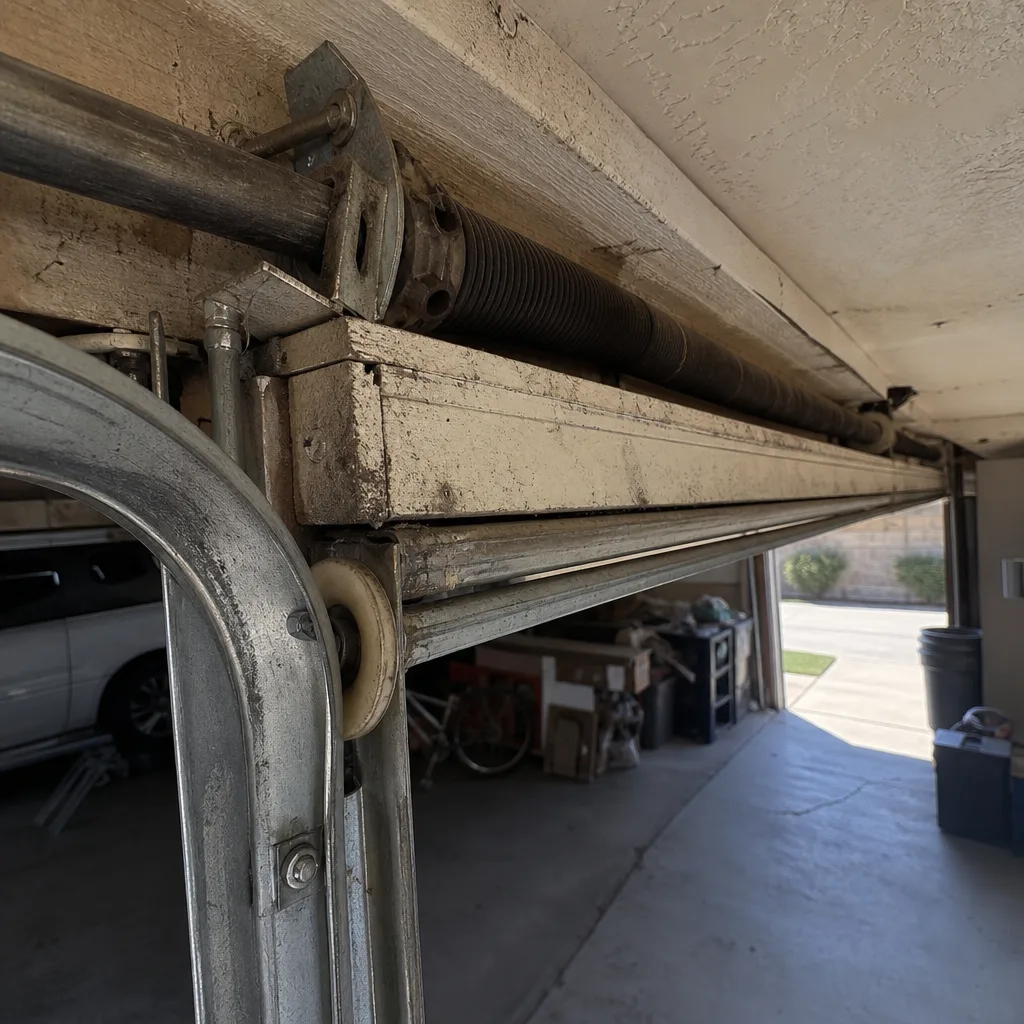 Before
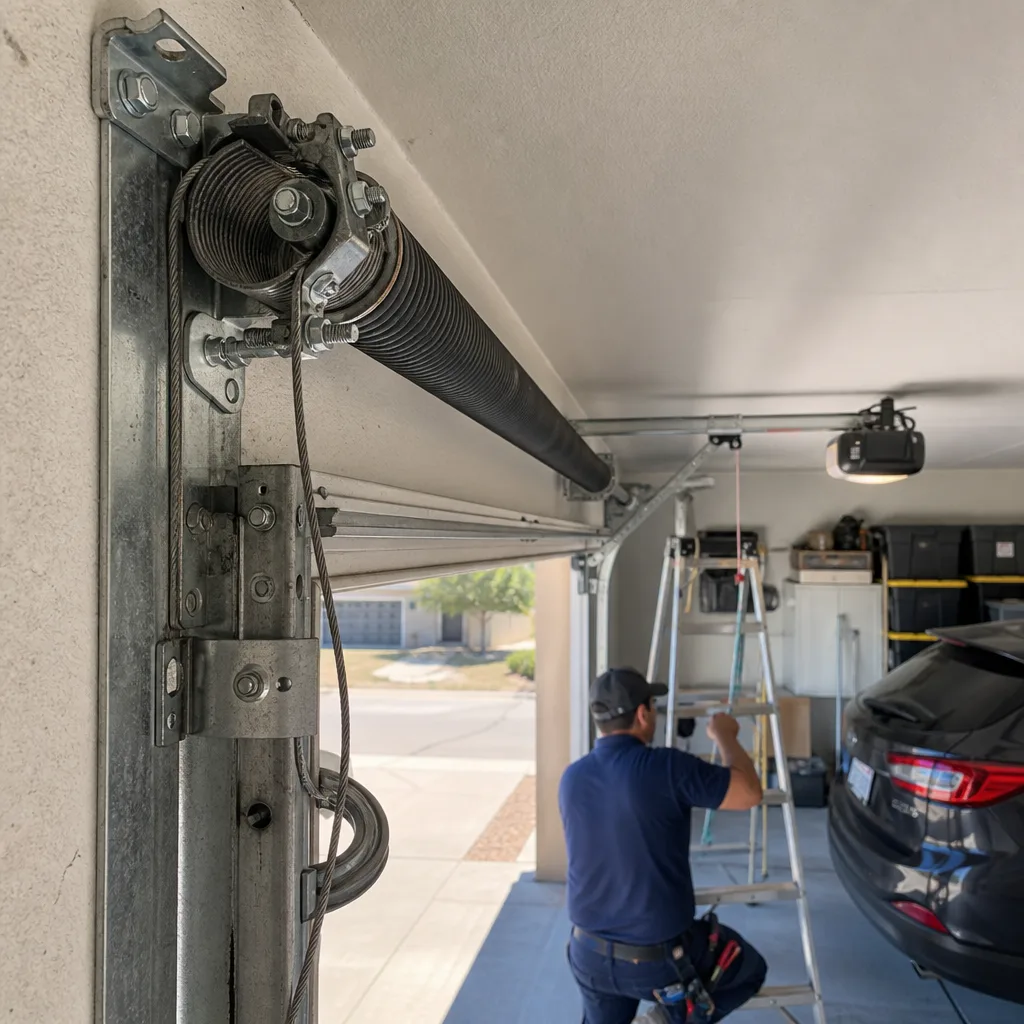 After
AfterHow to Hire a Garage Door Contractor in Gilbert: A Step-by-Step Guide
Arizona’s Registrar of Contractors issues a separate C-garage door license, but a company can legally perform garage door work under a broader residential contractor classification. That means “licensed and insured” on a yard sign tells you almost nothing specific about whether the person at your door actually knows how to calculate spring load ratings or set opener travel limits safely. This guide walks Gilbert homeowners through a document-based audit you can run before anyone sets foot in your garage, covering exactly which questions expose an unqualified operator and which license data actually matters when you pull a contractor’s record. For a broader look at maintenance and care, see our Complete Guide to Garage Door in Gilbert.
Quick Answer
To hire a garage door contractor in Gilbert, start by pulling their Arizona Registrar of Contractors license number and verifying it is active, correctly classified for garage door work, and free of unresolved complaints. Then require a flat, written quote that names the specific part, brand, model, labor scope, warranty terms, and total price before authorizing any work. Never accept a verbal estimate or a quote that says “labor and parts” without naming the actual component.
Table of Contents
- Step 1: Pull and Verify the ROC License in Under Three Minutes
- Step 2: Require a Written Quote With Five Specific Items
- Step 3: Recognize Quotes That Are Designed to Create Conflict
- Step 4: Verify the Quoted Part Matches Your Door’s Actual Spec
- Step 5: Read the Warranty Language Before You Sign
- Step 6: Ask How the Company Documents What It Found and What It Did
- What Gilbert’s Climate and Housing Stock Mean for Garage Door Decisions
- Common Mistakes to Avoid
- When to Call a Professional
- Frequently Asked Questions
- The Bottom Line
 Before
 After
AfterStep 1: Pull and Verify the ROC License in Under Three Minutes
Arizona’s Registrar of Contractors maintains a public database where any homeowner can search by company name or license number. The catch is that garage door work does not always require the C-garage door classification. A general residential contractor license, a C-8 glazing classification, or in some cases a handyman with no license at all can legally perform certain garage door repairs depending on the scope and dollar amount. The homeowners in Gilbert who get burned are usually the ones who saw the word “licensed” and stopped checking.
Here is the three-minute audit we recommend running before you schedule anything:
- Pull the license number from the company’s website or business card. If it is not printed on the page, ask for it. A refusal is a red flag, not a scheduling inconvenience. Our license number is on our site, not buried in fine print.
- Search the ROC database at roc.az.gov. Confirm the license status shows “Active.” A suspended or inactive license means the company cannot legally contract for work in Arizona right now.
- Check the classification code. If the work is garage door specific, look for a C-garage door classification or an equivalent. A broad classification does not automatically mean disqualification, but you want to know which classification you are hiring under and why.
- Scroll the complaint history. The ROC database shows resolved and unresolved complaints. A couple of older, resolved complaints that the contractor answered is not unusual. A pattern of unresolved complaints with no response is a reason to walk.
- Verify the license name matches the business name on the quote. Subcontracting layers mean the person you hired might not be the license holder doing the work. Ask directly: “Will the person on my job be working under your ROC license number?”
In our experience at Servo Garage Doors Gilbert, the most reliable indicator of a disciplined contractor is not the license classification itself but how the company responds when you ask about it. A legitimate operation answers with the number and the classification, without friction. An operation that hedges, deflects, or changes the subject is telling you something useful about how they handle documentation generally.
Step 2: Require a Written Quote With Five Specific Items
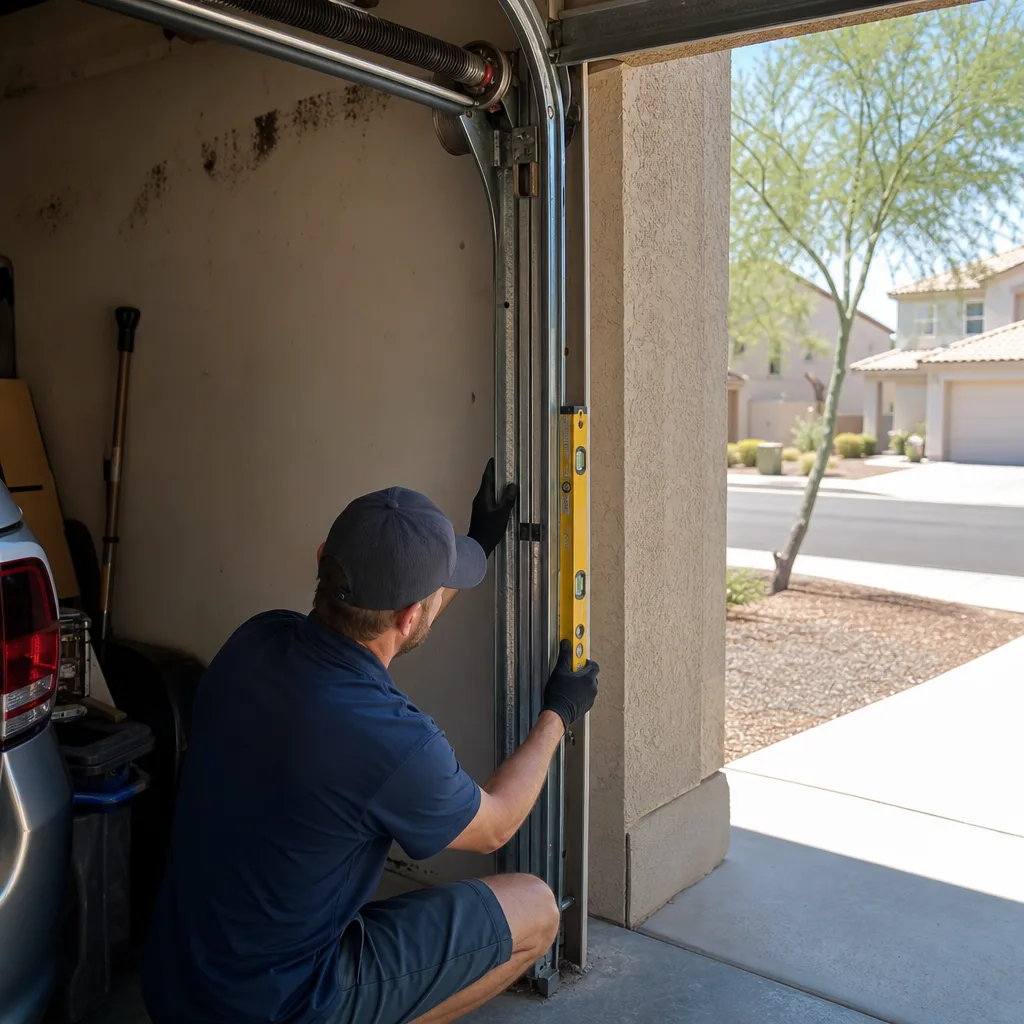
Verbal quotes are a structural conflict of interest. The garage door industry has historically operated on a model where the technician arrives, looks at the door, gives a number verbally, and then has latitude to adjust that number when the invoice is written. That latitude is where margin gets created, and it is exactly why Clause 1 of The Haven Standard exists at Servo: a flat, written price and written scope are delivered before any work starts. No exceptions.
A legitimate written quote for garage door work in Gilbert should contain these five items, every time:
- The specific part number. Not “a spring.” The actual part number, like a .250 x 2″ x 32″ torsion spring or a specific LiftMaster opener model. If the quote does not name the part, you cannot verify the spec or the market price.
- The brand. A Chamberlain belt-drive opener and a generic belt-drive opener are not the same product. The brand should be on the quote, not revealed at installation.
- The labor scope. What exact work is being performed? Spring replacement includes winding and balancing the door. Opener installation includes mounting, wiring, setting travel limits, and testing safety reversal. The scope should be explicit.
- The warranty terms. Both the manufacturer warranty passthrough and the contractor labor warranty need to be in writing, with durations. “We stand behind our work” is not a warranty term.
- The total price. Flat, written, final. Not an estimate with a plus-or-minus. In Gilbert, torsion spring replacement typically runs $280 to $520 depending on wire size and whether you replace one spring or both, and opener installation runs $450 to $850 depending on model and drive type. Your quote should land somewhere in those ranges for standard residential work, and it should be exact, not approximate.
If a contractor pushes back on any of these five items, that is information. A quote with a vague line item like “labor and parts” is not a quote. It is an invitation to negotiate the invoice later.
Step 3: Recognize Quotes That Are Designed to Create Conflict
During the quoting phase, unqualified or pressure-driven operators reveal themselves through consistent patterns. The homeowner who reads three-star reviews has usually sensed something off in these interactions but cannot articulate why. Here are the tells we tell Gilbert homeowners to watch for, because we have seen every one of them in this market:
- Same-day urgency framing. “I can only do this price today” is a closing tactic, not a scheduling reality. Garage door repairs are measured in days, not hours, except for genuine emergencies where a door will not close at all. If the door closes and locks, you have time to get a second opinion.
- Vague line items. “Labor and parts” with no part number, no brand, no spring wire diameter. You cannot compare quotes when one is vague. That is usually the point.
- Quotes without a failed component identified by name. Before anyone quotes a replacement, the technician should be able to tell you what they found. “The torsion spring measured at 0.25-inch wire diameter and showed a clean break at the coil” beats “your spring is in bad shape.” Clause 4 of The Haven Standard exists because Marcus Deller founded Servo on this exact rule: the customer photographs the failed part before anyone quotes a replacement. If the contractor cannot name the part, they have not actually diagnosed anything.
- Refusal to put anything in writing. “I’ll send you the invoice when I’m done” means the price is being determined at the end, not the beginning. You cannot hold anyone to a verbal number.
- Upsell stacking on the quote. A technician who found one broken spring suddenly also finds a “dangerous” opener, a “failing” logic board, and a “track issue” on a door that opened fine last week. A real inspection produces a prioritized list, not an emergency cascade.
Every one of these patterns has the same root: the operator wants latitude to change the number after you have already committed. Flat, written pricing eliminates that latitude. That is the entire point.
Step 4: Verify the Quoted Part Matches Your Door’s Actual Spec
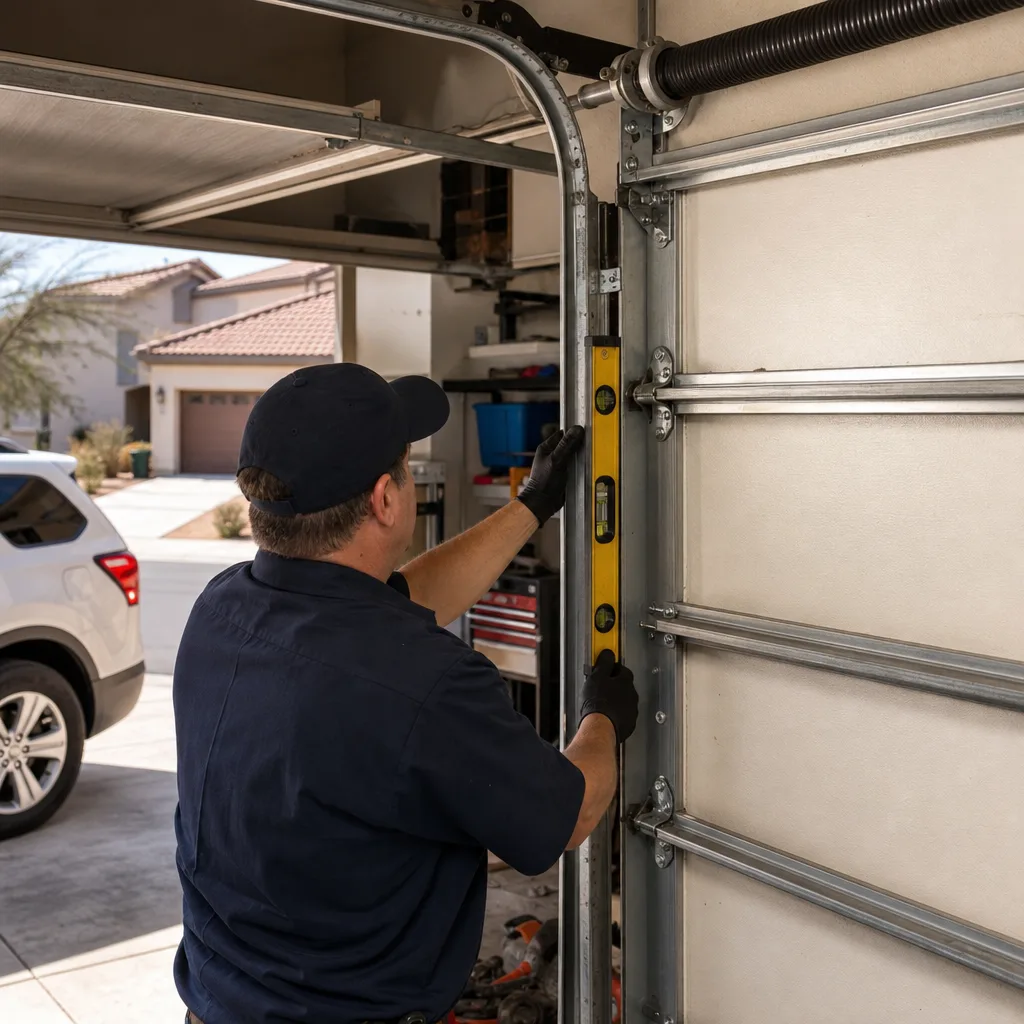
This is where hiring a garage door contractor in Gilbert diverges from hiring someone to paint a wall. A painter can describe the finished color. A garage door contractor has to get load ratings right, because a spring or opener spec’d incorrectly is either going to fail early or create a safety hazard. The good news is you do not need to become an engineer to check the math. You need to know which numbers to ask for.
Torsion springs are rated by DASMA (Door and Access Systems Manufacturers Association) standards. Each spring has a wire diameter, inside diameter, and length that correspond to the weight and lift requirements of a specific door. A door’s weight is stamped on a label, usually near the hinge, and a correct spring installation starts with the technician reading that label and matching the spring spec to the door’s actual weight, not the weight they assume based on the door’s height.
Here is the two-minute check any Gilbert homeowner can run on a quote:
- Ask for the spring’s wire diameter. Standard residential torsion springs in Gilbert are typically .207, .218, .225, .234, .243, .250, or .262 inches. If the technician cannot give you this number before installation, they are guessing.
- Ask what the door weighs. The technician should have read the label on the door. If they cannot state the weight, they have not done the first step of spring sizing.
- Ask how many cycles the spring is rated for. A standard spring is rated for 10,000 cycles, which in Gilbert’s climate, where doors get opened and closed multiple times daily during the summer to manage heat, translates to roughly 7 to 10 years of service. A high-cycle spring rated for 20,000 to 50,000 cycles costs more but is the right call if the door sees daily heavy use.
- Check that both springs are quoted when the door has two. A two-spring door with one new spring and one old spring is a door that will fail again sooner than the homeowner expects and cost more in the long run. In Gilbert, we replace both springs on two-spring doors as standard practice. It is a balance and wear issue, not an upsell.
Openers have a parallel check. The opener’s horsepower rating, drive type, and model number should match the door’s weight and size. A double-wide door on a 1/2 HP chain-drive opener is underpowered and will burn out the motor early. Ask the contractor to state the door weight and explain why the quoted opener is matched to it. If they cannot, you are hiring a parts-changer, not a technician.
Step 5: Read the Warranty Language Before You Sign
Two warranty layers exist on every garage door job, and they cover different things. Most homeowners assume the longer warranty is the better warranty without realizing the two layers are not interchangeable. Getting this wrong means paying for a repair that should have been covered.
Manufacturer warranty passthrough covers the part itself. If you buy a LiftMaster opener, LiftMaster warrants the motor, the logic board, and the other components for a set period, typically between one year and lifetime depending on the specific part. The contractor’s job is to register the product and pass the warranty documentation through to you. What this warranty does NOT cover is the labor to remove and replace a failed part, which is the expensive half of most repairs.
Contractor labor warranty covers the workmanship: the installation, the adjustment, the tuning. This is what Servo’s 365-Day Done Right Promise covers. If the repair was not done right, it gets made right, and the customer has a written document that says so, not a technician’s verbal shrug. Ask any contractor two specific questions during the quote: “What does your labor warranty cover, and will I get it in writing?” and “When the manufacturer warranty does not cover labor, what do you charge for the call under your own warranty?”
In Gilbert, where summer heat puts additional thermal stress on springs and boards, the labor warranty is where homeowners usually get let down. A part that fails from a manufacturing defect is rare. A part that fails because it was installed out of spec is more common, and the manufacturer will not cover that. “Your spring broke, the manufacturer says it is not a defect, that will be $380” is a call no Gilbert homeowner should have to take.
Step 6: Ask How the Company Documents What It Found and What It Did
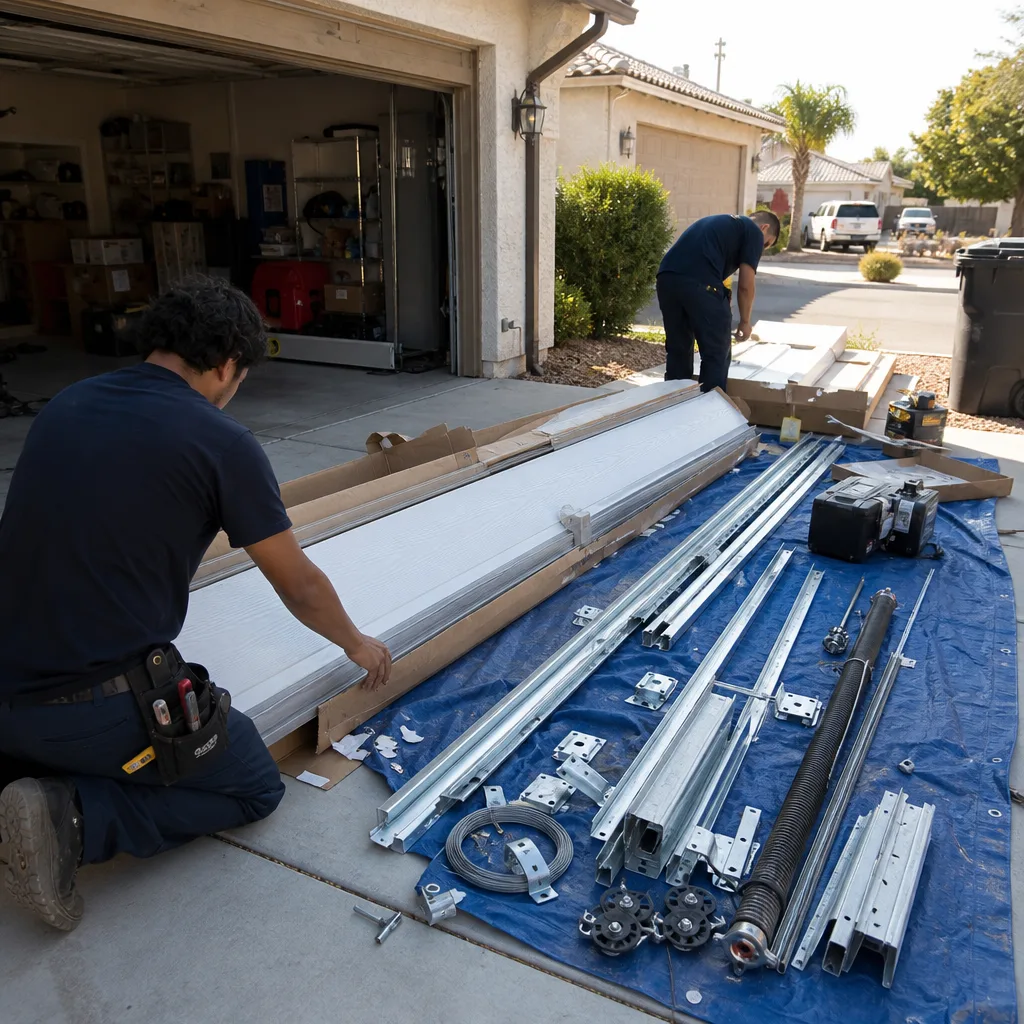
Most garage door work happens in a space the homeowner rarely inspects. The spring is above the door. The logic board is inside the opener housing. The track bolts are behind the rail. A claim that a part was replaced is almost impossible to verify after the fact unless the contractor gives you the evidence. That is why Servo has made the documented photo record part of every visit since 2015, and why it is the specific item we tell Gilbert homeowners to request.
Ask any contractor this question during the quote phase: “What documentation will I receive when the job is done?”
- If the answer is “an invoice,” that is the minimum. An invoice tells you what you paid, not what was actually done.
- If the answer is “photos of the old part and the new part, plus the work in progress,” that is a contractor who builds a paper trail.
- If the answer is hesitant or vague, you have just learned something about how that company handles accountability.
The photo record exists for a reason beyond customer comfort. It protects both parties when a warranty claim arises. The customer can show exactly what was installed. The contractor can show exactly what they found. At Servo, this is formalized in The Haven Standard, and it traces back to the founding rule from 2015: the customer sees the failed component before anyone quotes a replacement. We have found over 18,000 garage doors since then, every one with a written price before work started and a documented record when the technician left.
For Gilbert homeowners specifically, the photo record matters because the housing stock is newer. Homes built between 2018 and 2025 often have original garage door systems reaching the end of their first spring cycle or first logic board, and a photograph of the original part at the time of failure is the best evidence you have if a warranty dispute arises with the builder or the original installer.
What Gilbert’s Climate and Housing Stock Mean for Garage Door Decisions
Gilbert’s summer heat does two things to garage door systems that homeowners in cooler climates do not experience. First, thermal cycling literally changes the metallurgy. Torsion springs lose tension with every high-heat, low-humidity cycle in a way they do not in coastal climates, which is why Gilbert spring life runs closer to 7 years than the 10-year national average. Second, homeowners in Gilbert use their garage doors more. The garage is frequently a second entrance and a heat-management tool, and every cycle the door runs takes a fraction of spring life with it.
None of this requires a special Gilbert garage door product. What it requires is a contractor who understands that a standard spring spec’d for national averages is not the right spring for a Gilbert door that runs 12 cycles a day. The same door in a cooler climate and a cooler garage will get 10 years from a standard spring. In Gilbert, the smart move is a high-cycle spring rated for 20,000 cycles, usually for about $80 to $120 more per spring, which buys roughly twice the lifespan.
Gilbert’s newer subdivisions, particularly in the areas around the 202 corridor and south of the 60, also mean a specific pattern: the original garage doors and openers installed by the builder are reaching service age now. If your home was built between 2016 and 2022, the builder-grade opener and springs are likely the same age and approaching the same life expectancy. That is not a scare tactic. It is a maintenance reality, and it is why we recommend Gilbert homeowners have a spring and opener inspection at the 7-year mark rather than waiting for the failure.
This is the context for our Garage Door Repair in Gilbert work: the climate and the housing stock mean higher cycle counts and earlier spring failures than national expectations. A contractor who has worked in this market for years knows that. A contractor who just moved here reads the national averages and spec’s the wrong spring.
Common Mistakes to Avoid
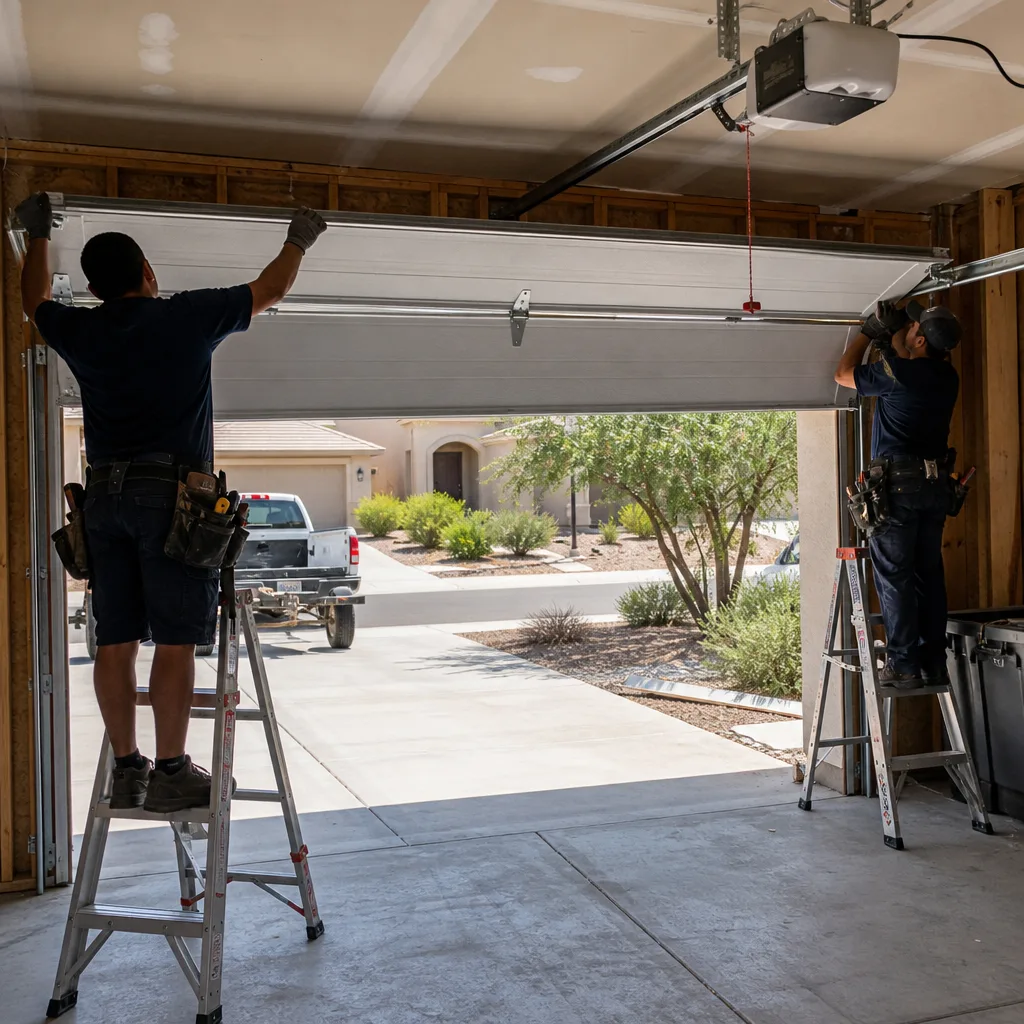
- Accepting a verbal quote. If you cannot hold it in writing, you cannot hold it at all. Always require a flat, written number before the technician touches the door.
- Skipping the ROC license search. Three minutes on the Registrar of Contractors database will tell you whether the company is active, what classification they hold, and whether unresolved complaints exist. Most Gilbert homeowners never run the search.
- Replacing one spring on a two-spring door. The remaining spring is a ticking clock and the door balance will never be right until both are replaced. This is the most common source of repeat failures in Gilbert garages.
- Choosing a quote based on price alone without comparing the written specs. A $280 spring replacement and a $520 spring replacement are different springs doing different jobs. Compare part numbers and cycle ratings, not just totals.
- Not asking for the documentation package. If the contractor will not agree to photograph the failed part and the completed work, you are buying a story, not a service.
- Authorizing work without understanding which warranty covers what. A 10-year manufacturer warranty on a part does not mean free labor when that part fails. Know both warranty layers before you sign.
- Waiting for a failure to start looking for a contractor. A garage door that breaks at 2 a.m. on a holiday weekend puts you in an emergency mindset. A homeowner who has already run the license check and has a contractor’s number saved is making an informed choice, not a desperate one.
When to Call a Professional
Garage door work involves components under tension or carrying weight in ways that most home maintenance does not. Torsion springs under load are a serious injury risk, and openers combine electrical wiring with moving mechanical parts. If your door will not open, makes a grinding or popping sound during operation, the spring is visibly broken, the door is off its tracks, or the opener will not respond and the safety sensors are not the issue, call a professional. Do not attempt spring removal, spring adjustment, or track realignment yourself. The injury risk is not theoretical, and the tools that make the job safe are specialized. Servo Garage Doors Gilbert offers free estimates in Gilbert, including for Garage Door Installation in Gilbert and Garage Door Opener Repair & Installation in Gilbert. Call (520) 482-3838 and you will reach a live person, not a recording, any hour of the day.
Frequently Asked Questions
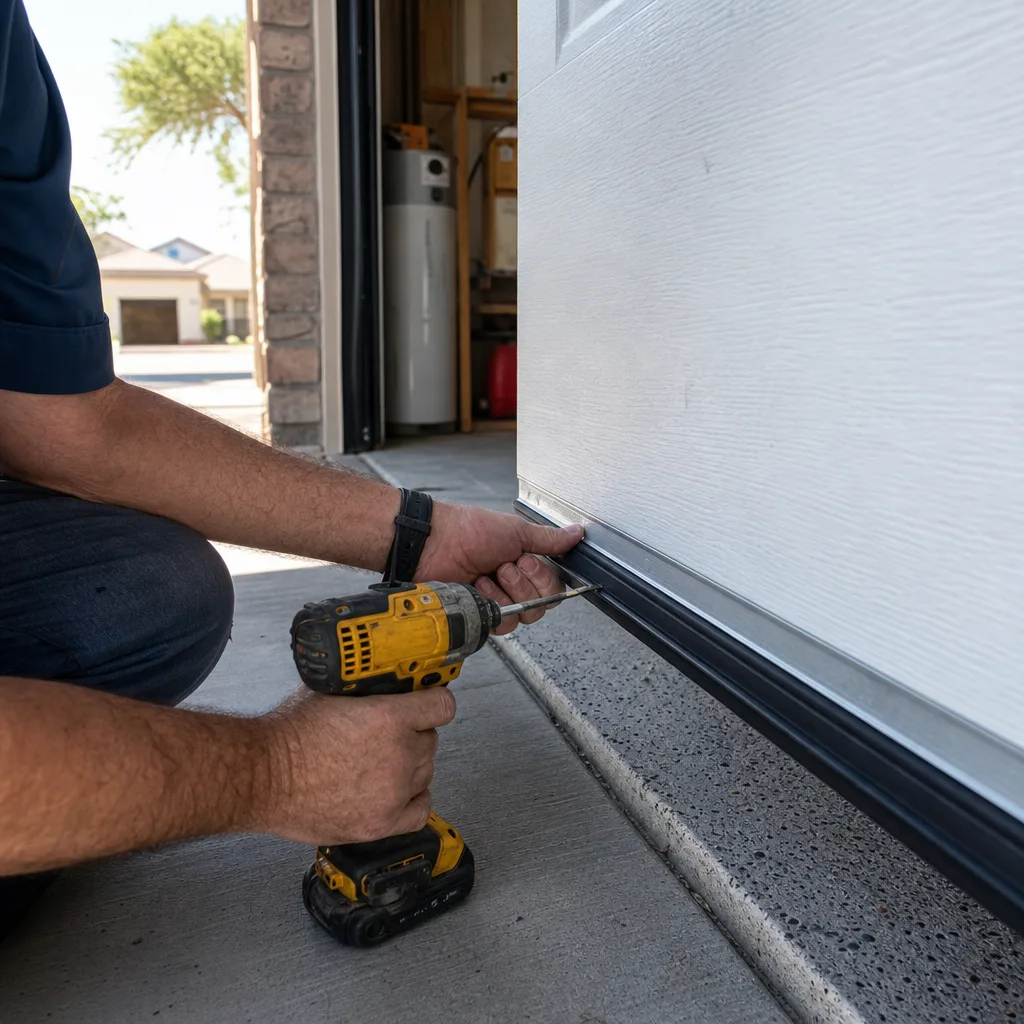
Standard torsion spring replacement in Gilbert typically runs $280 to $520 depending on wire size, door weight, and whether one or both springs are replaced. Opener replacement runs $450 to $850 depending on model and drive type. Cable replacement typically lands between $180 and $320. Every Servo quote is a flat, written price delivered before work starts, per Clause 1 of The Haven Standard. Call (520) 482-3838 for an exact quote on your specific door.
Yes, and verify the license is active on the Arizona Registrar of Contractors database before you hire. Check that the classification is appropriate for the work being performed, not just that a license number exists. Servo is independently owned and operated under The Haven Standard, with our license number on the page where you can see it and verify it.
No. Torsion springs are under serious load and release stored energy violently when wound or unwound incorrectly. The specialized winding bars and correct procedure are not worth learning on a failed spring in your own garage. This is a job for a trained professional, full stop.
Part number, brand, labor scope, warranty terms, and total price. All five. In writing. Before work starts. A quote missing any of these is not a valid quote. At Servo, this is Clause 1 of The Haven Standard and it applies on every job, including the smallest cable replacement.
About 7 years in Gilbert’s heat and with typical daily use, compared to the 10-year national average. A high-cycle spring rated for 20,000 cycles will last roughly twice as long and is the right choice for doors that run more than 8 to 10 cycles a day. Your technician should be able to state your door’s cycle count and match the spring to it.
If a repair was not done right, Servo makes it right. It is backed by The Haven Standard and a written terms page, not a handshake. The warranty is in writing, along with the photo record of what was found and what was done, so a claim never depends on anyone’s memory. Call (520) 482-3838 for details on coverage for your specific job.
The Bottom Line
Hiring a garage door contractor in Gilbert is a documentation exercise, not a trust exercise. Pull the ROC license and check the classification. Require a flat, written quote with all five elements: part number, brand, labor scope, warranty terms, total price. Verify the part spec against your door’s actual weight and the spring’s cycle rating. Read both warranty layers. Ask what documentation you will receive when the job is done. A contractor who passes all of these checks has already demonstrated the discipline that prevents most garage door disputes. A contractor who resists any of them has told you what the job will be like. For Gilbert homeowners who want the entire process handled the way Clause 1 describes it, Servo Garage Doors Gilbert home is the place to start. Call (520) 482-3838 for a free estimate, and you will get a written price before any work begins.
Written by Marcus Deller, Owner at Servo Garage Doors Gilbert, serving Gilbert since 2015. Browse more guides & resources from our team.