
Last updated September 20, 2026
Full 25-point door and opener safety check with every visit - springs, cables, rollers, tracks, and your LiftMaster or Chamberlain opener included
You get a price before we start. It does not change when the truck arrives.
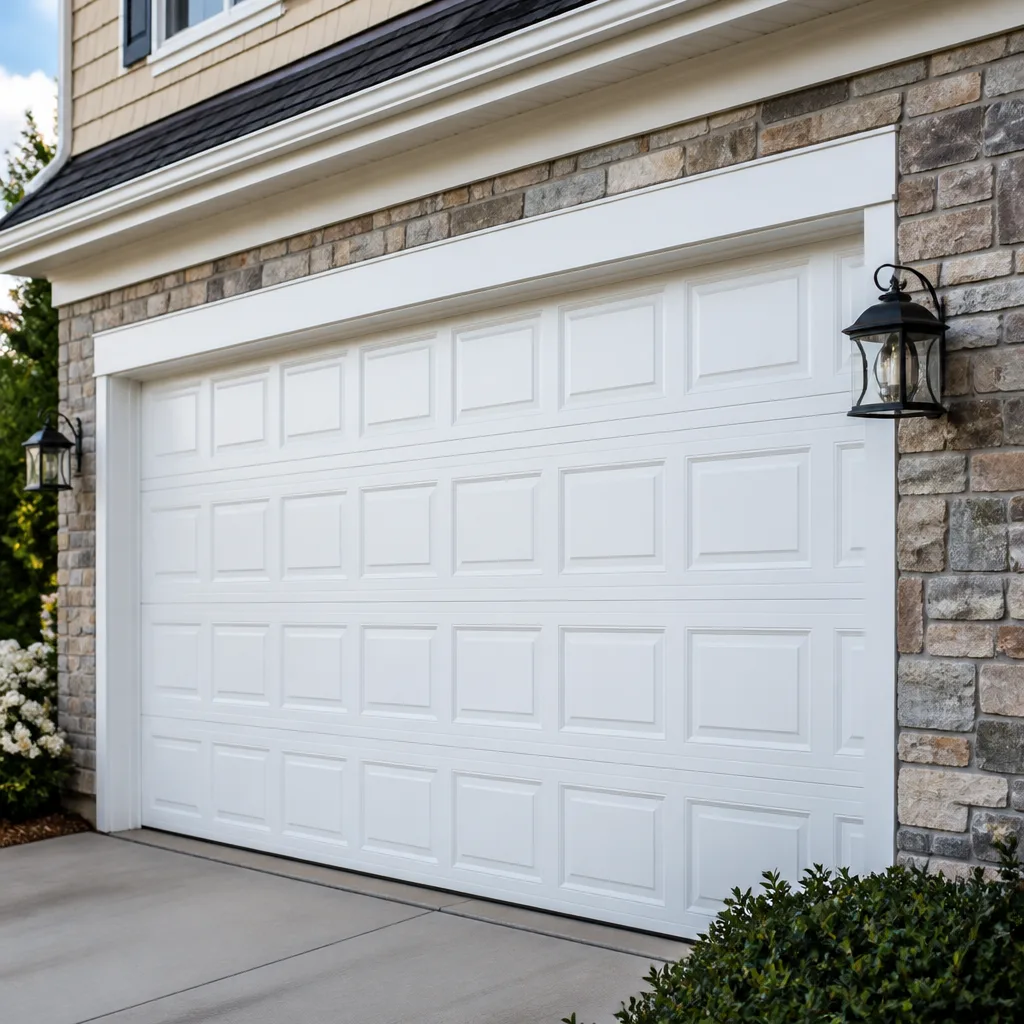
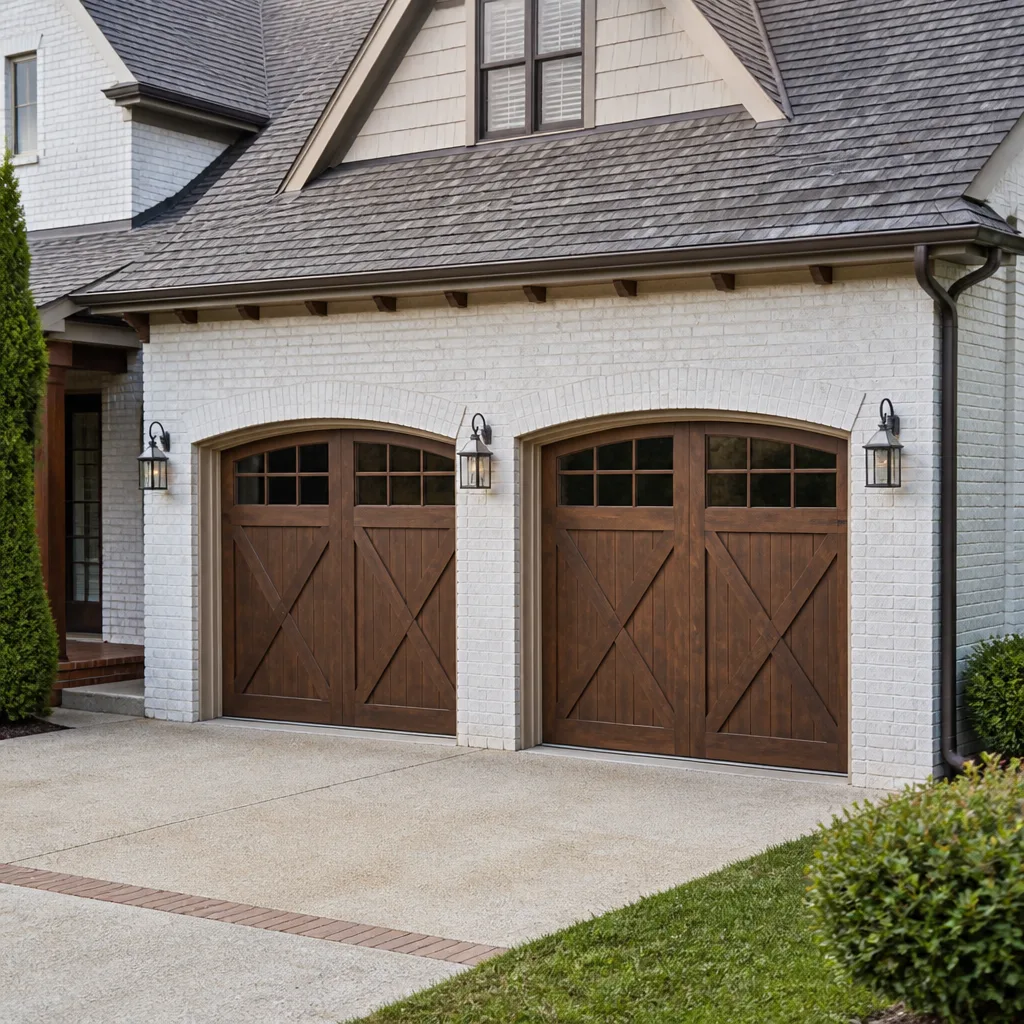
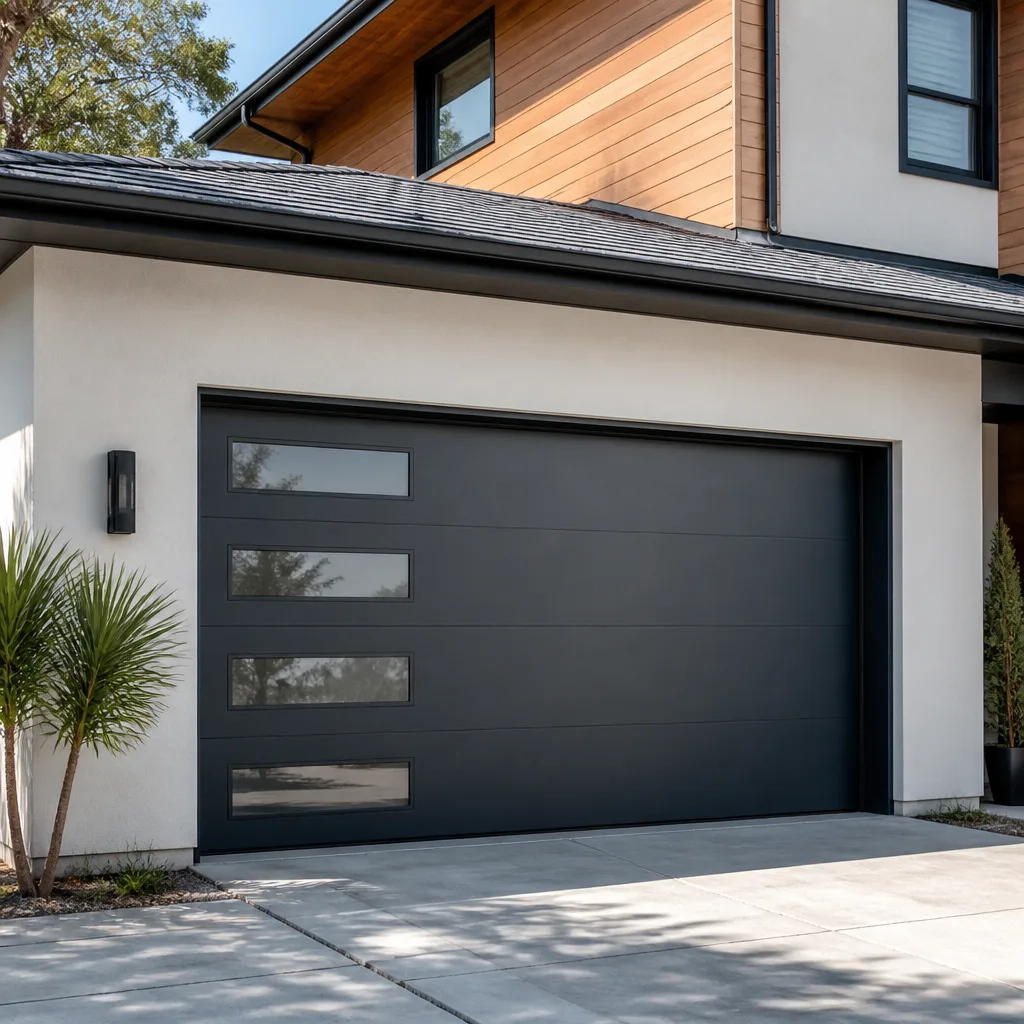
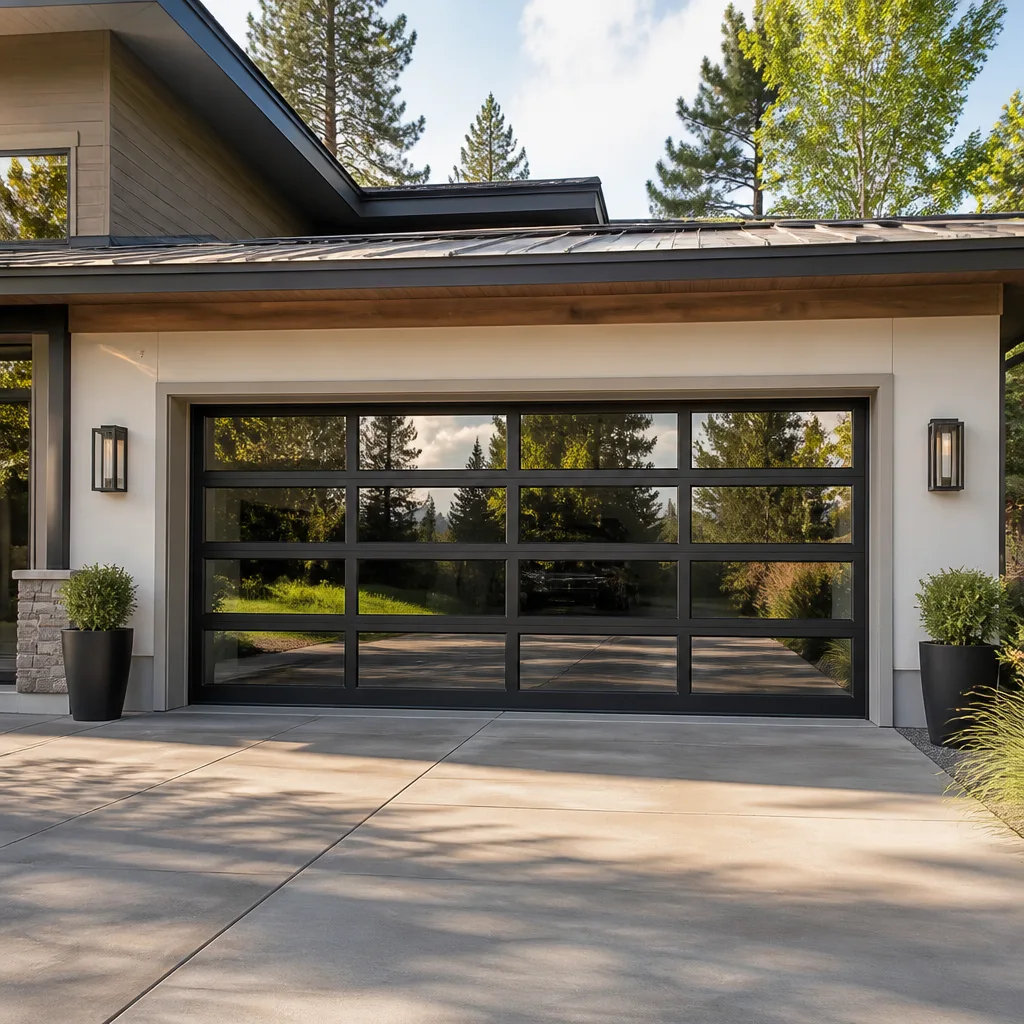
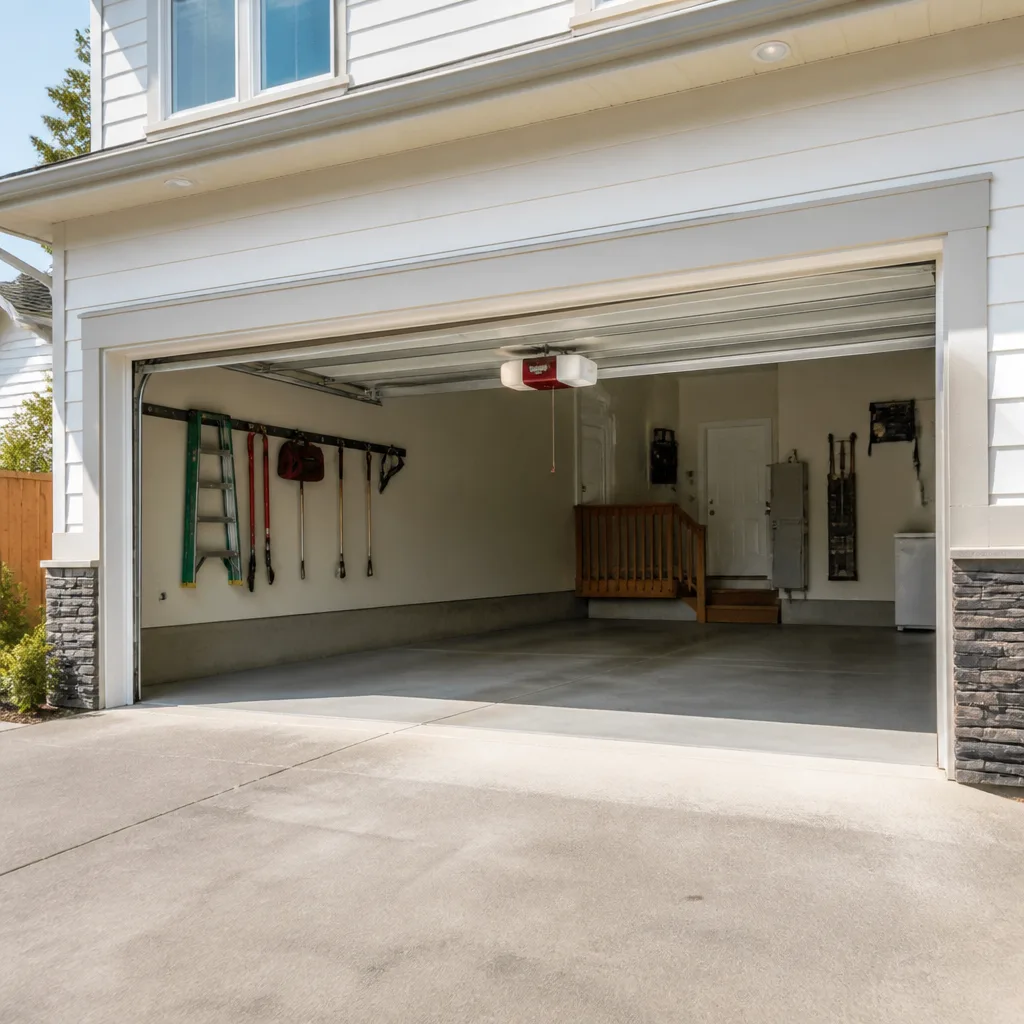
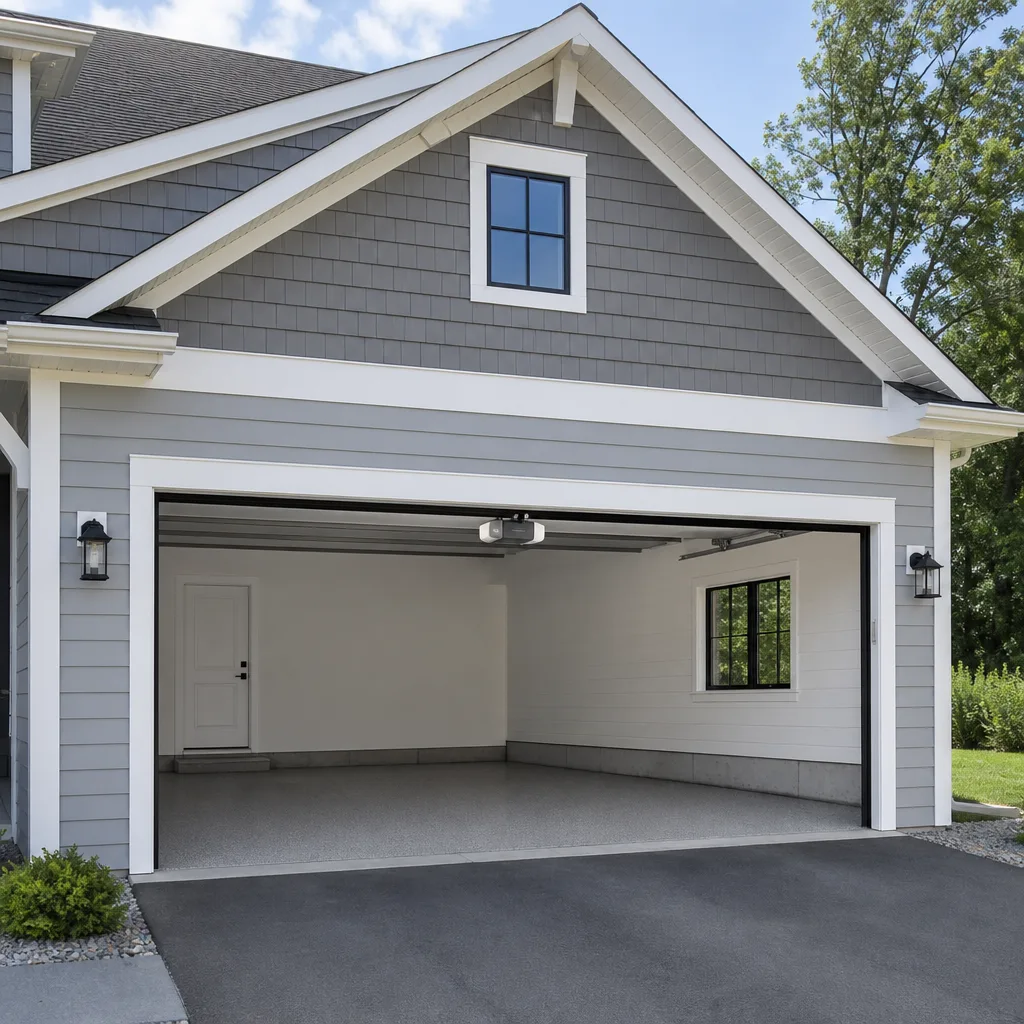
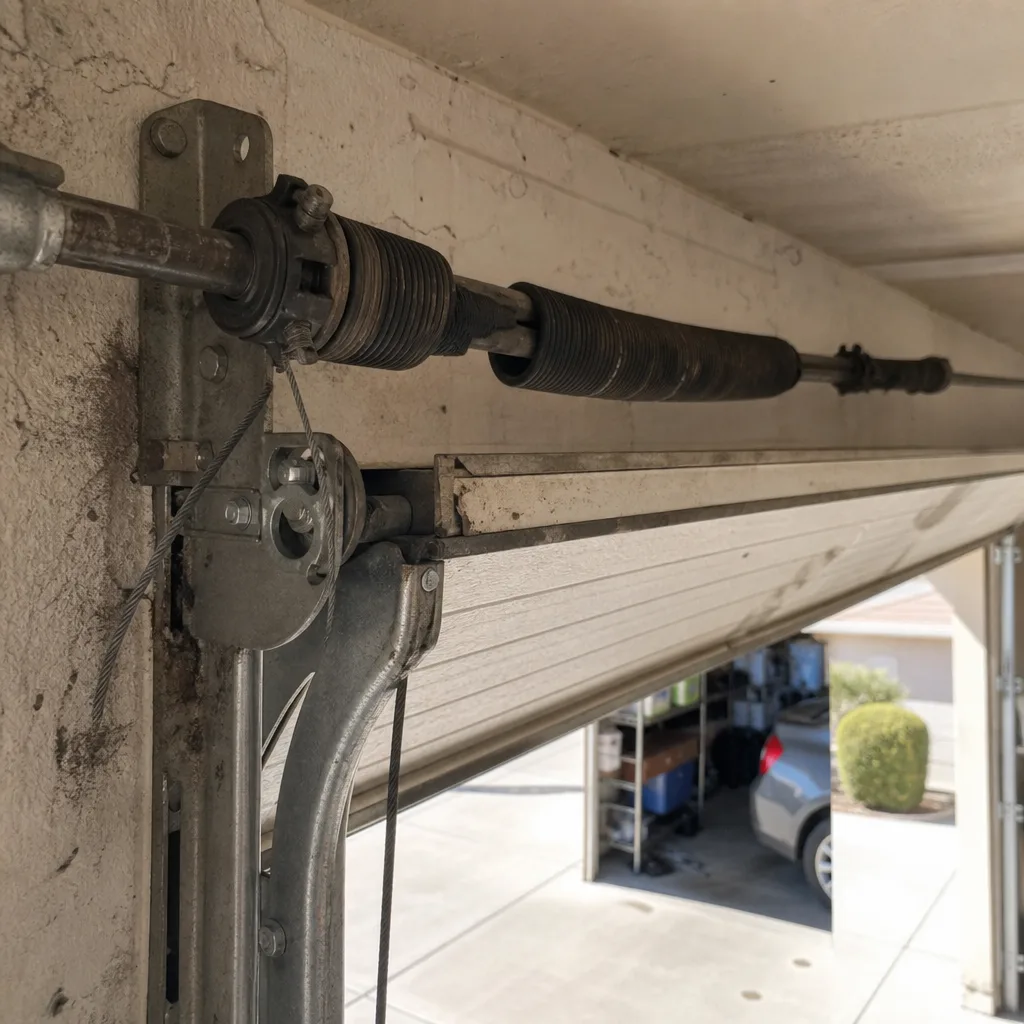 Before
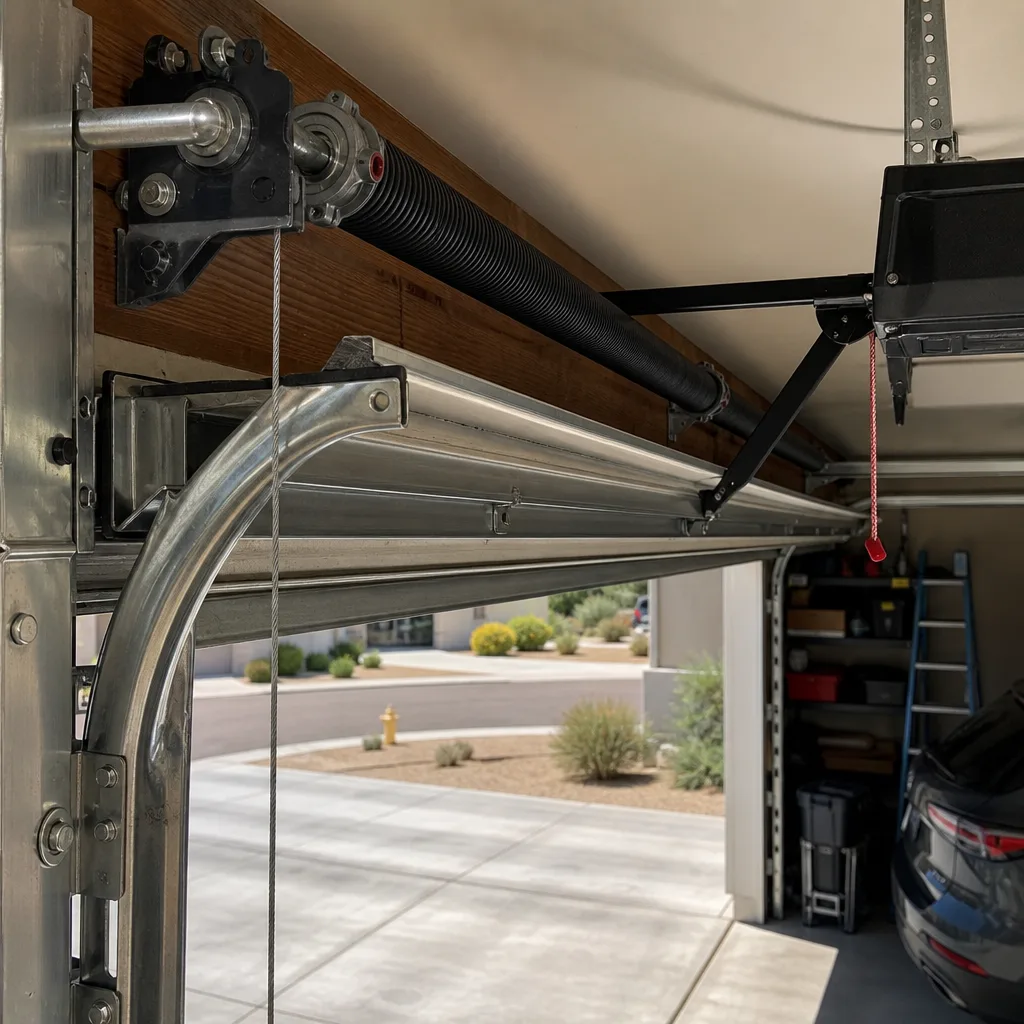 After
After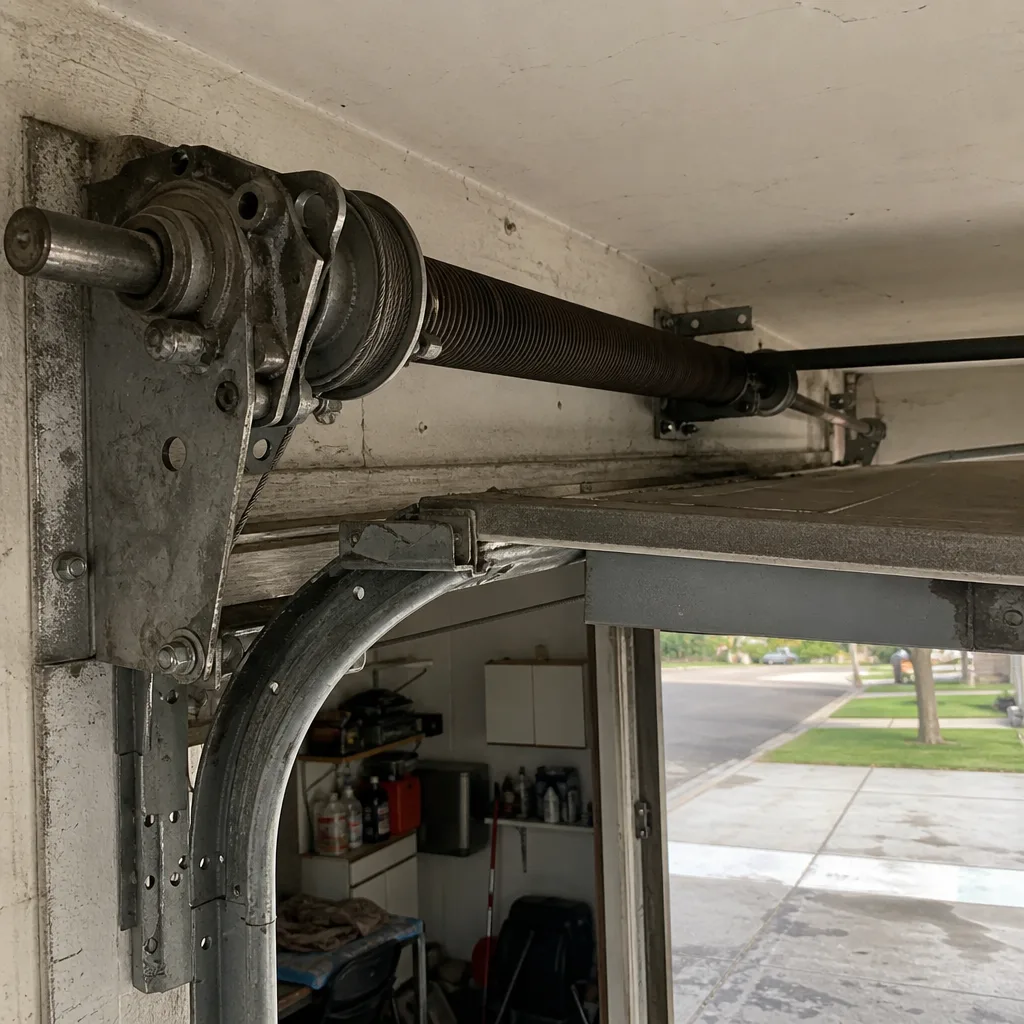 Before
 After
After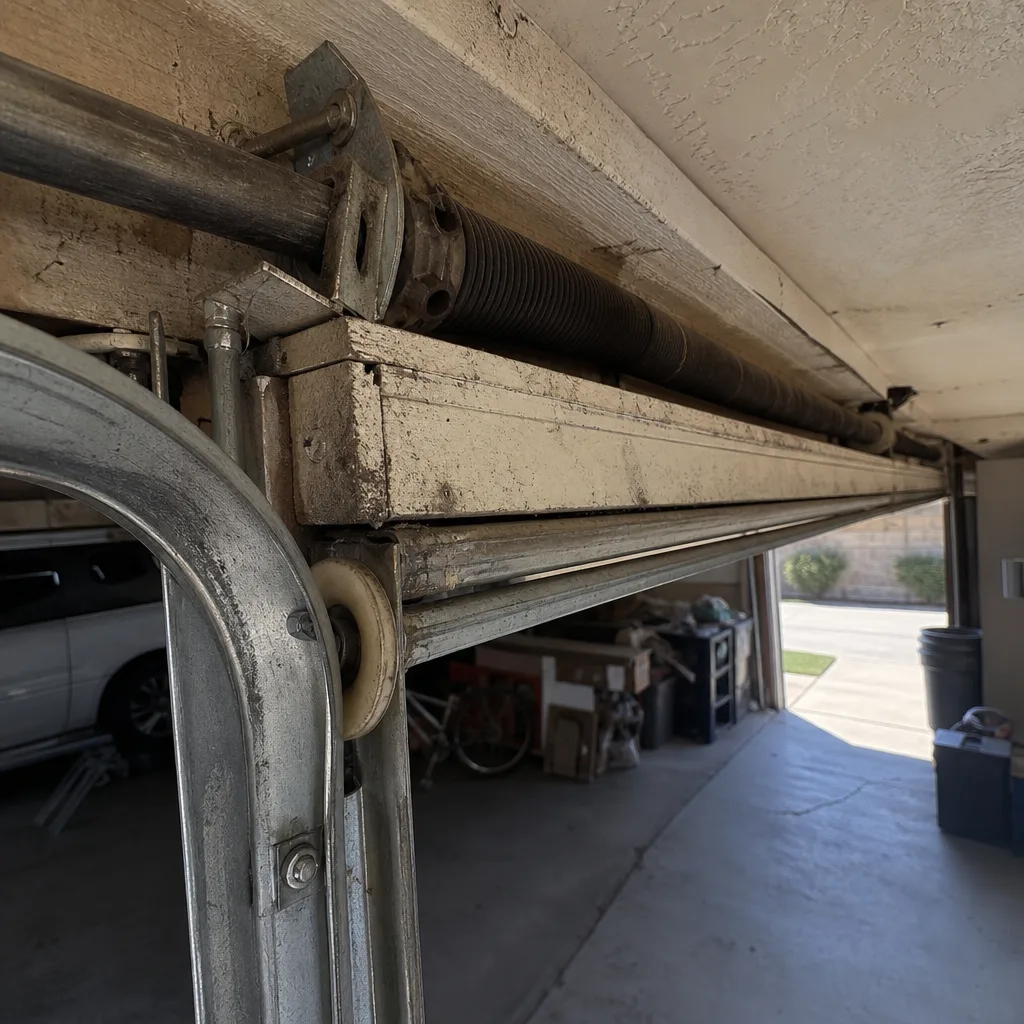 Before
 After
AfterThe Complete Guide to Garage Door in Gilbert
Gilbert added more than 3,000 HOA-governed homes in a single recent year, which means the “standard” garage door advice written for a Phoenix homeowner without deed restrictions is already wrong before you finish reading it. The East Valley’s rapid infill has created a housing stock where the garage door faces the street on nearly every lot, and the HOA’s architectural committee opinion of your door carries more weight than the manufacturer’s warranty. Add to that Sonoran Desert heat cycles that fatigue torsion springs faster than the cycle-count rating on the packaging suggests, and you have a repair and replacement landscape that generic national guides simply don’t address. This guide maps the actual component-level decisions a Gilbert homeowner faces, from panel coatings that survive 115°F summers to HOA color-approval timelines, so you walk into any quote informed, not dependent on whatever a technician decides to show you. We’re going to walk through how Gilbert’s climate and deed restrictions change every part of the equation, what your door is actually made of, which components fail first and why, what a replacement should cost in this specific market, and how to read the documentation that tells you whether a technician’s quote is calibrated to your actual door.
Quick Answer
A garage door in Gilbert is a system of four component groups: the door panels themselves, the spring assembly that counterbalances the door’s weight, the track and roller system that guides it, and the opener that powers it. In Gilbert specifically, the two factors that most determine your experience with that system are HOA architectural requirements, which restrict panel style, material, and color on most homes built after 2015, and Sonoran heat cycles, which fatigue springs and warp uninsulated steel panels faster than manufacturer warranties typically acknowledge. A full replacement for a standard 16-foot door on an HOA-governed Gilbert home typically runs $1,800 to $4,200 depending on insulation rating and finish, and the process includes a written HOA approval letter before installation can legally begin on most lots.
Table of Contents
- The Anatomy of a Gilbert Garage Door System
- HOA Rules in Gilbert: What You Can Actually Buy
- How Gilbert’s Heat and Monsoon Cycles Damage Garage Doors
- How to Read Your Door’s Data Plate and Spring Color Code
- Garage Door Replacement in Gilbert: Timeline, Cost, and Process
- Repair vs. Replace: The Decision Framework
- Garage Door Openers in Gilbert: What Actually Matters
- Common Mistakes to Avoid
- When to Call a Professional
- Frequently Asked Questions
 Before
 After
AfterThe Anatomy of a Gilbert Garage Door System
Before you can diagnose a problem or evaluate a quote, you need to know what you’re looking at when the door is open. A garage door is not a single object; it’s a system of components that work together, and in Gilbert, three of those components fail at rates that differ measurably from the national average. Here’s what each part does and what Gilbert’s climate does to it.
The Panel Sections
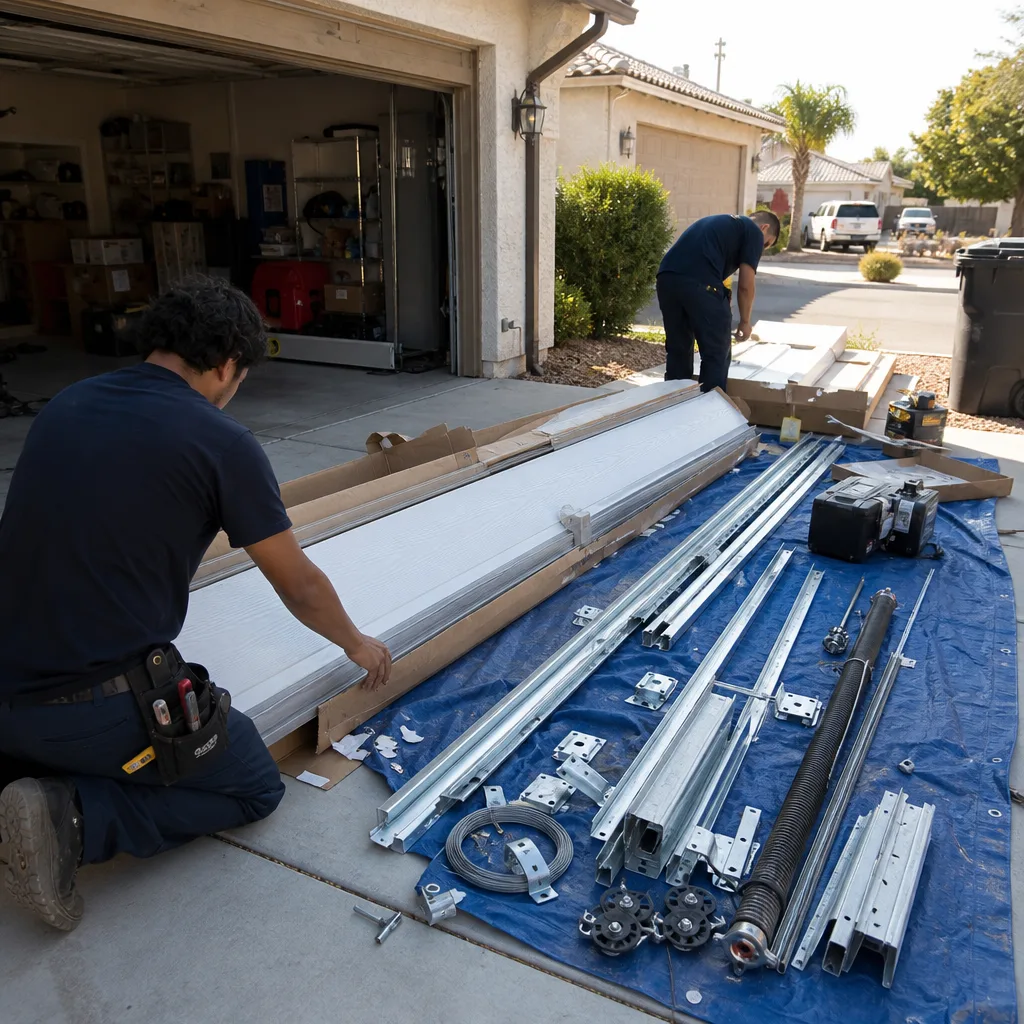
The part you see from the street is made of horizontal panels connected by hinges. In Gilbert’s newer communities, most doors are 18 to 21 gauge steel, and the panel’s exterior finish is either a factory-applied baked-on polyester coating or, on better doors, a polyurethane finish that costs more but resists UV degradation. If you live in Trilogy or Power Ranch, your door’s color and inset pattern were likely pre-approved when the home was built, which means you’re locked into a specific visual spec unless you petition for a variance. We’ll get into that below. What matters for durability is the gauge of the steel and the quality of the coating, not the thickness of the foam inside, though the two are often sold together.
The Spring Assembly
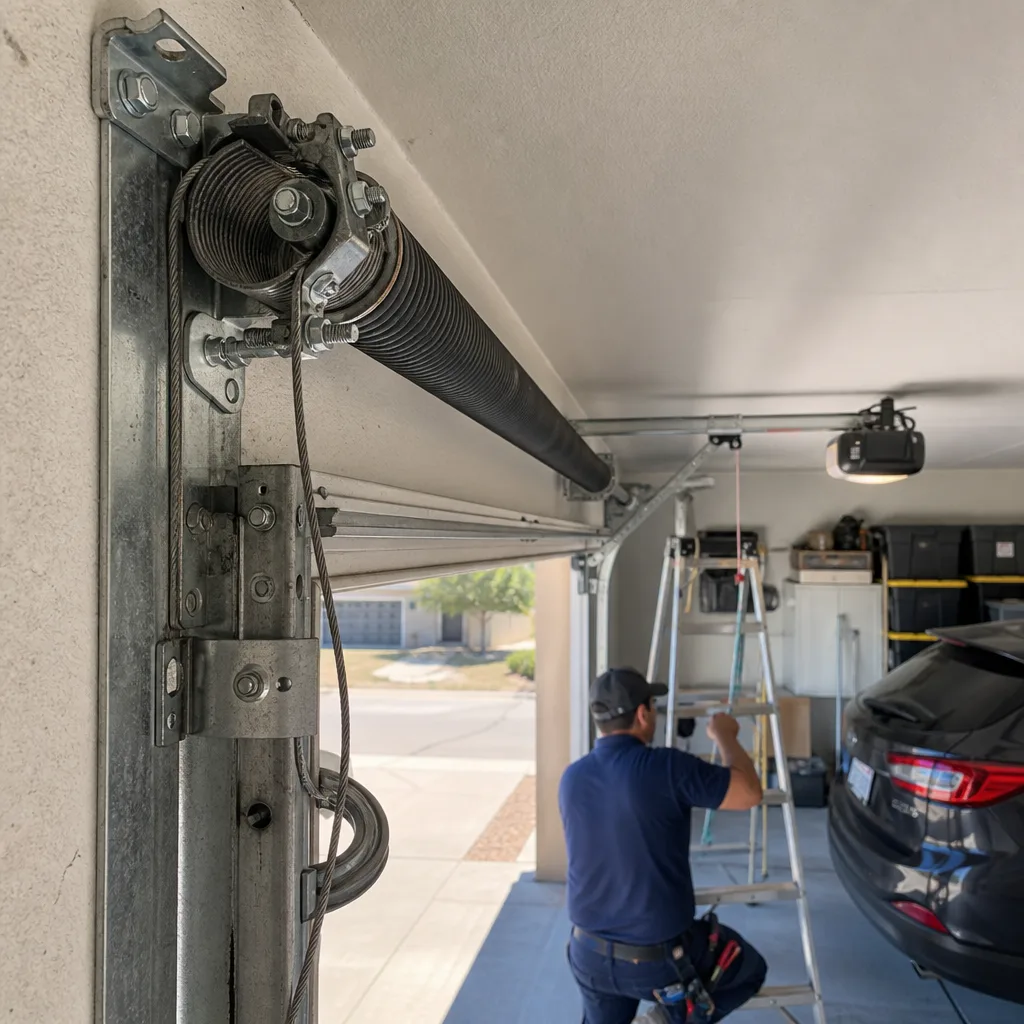
The springs do the heavy lifting. Every garage door has either extension springs, which stretch along the horizontal tracks on each side, or torsion springs, which coil around a steel shaft above the door opening. In Gilbert, torsion springs are the standard on anything built in the last twenty-five years. Each spring is rated for a specific number of cycles, where one cycle is one full open-and-close. A spring rated at 10,000 cycles will last roughly seven to nine years in Gilbert if you open the door twice daily, but the heat changes that math. Springs lose a small percentage of their temper each summer as the attic and garage temperatures swing past 130°F and then cool overnight. The failure mode is almost always a clean break, which sounds like a gunshot if you’re home when it happens. Safety note: torsion springs are under enough stored mechanical force to cause serious injury or death if mishandled. If a spring breaks, do not attempt to rewind or remove it. This is one component where a trained professional is not a suggestion; it’s the only responsible option.
The Track, Rollers, and Hinges
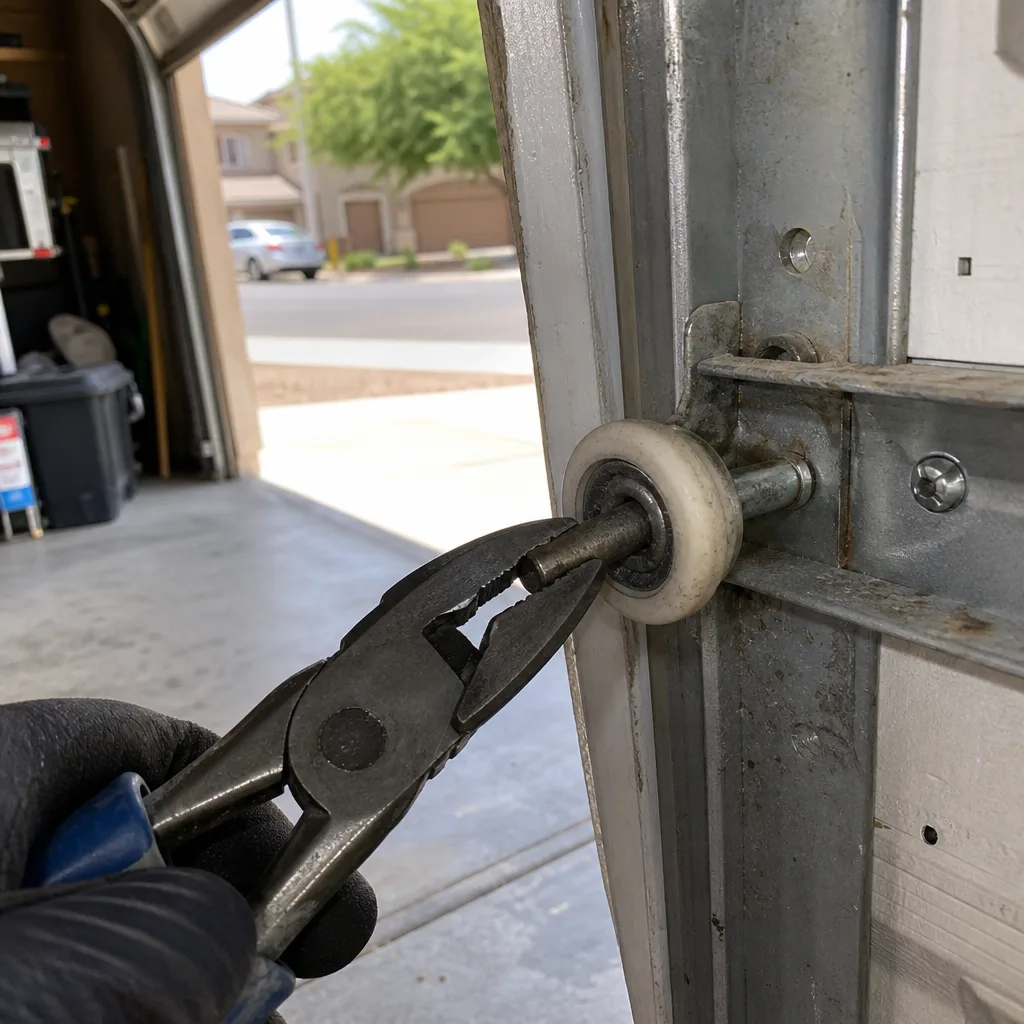
The door rides on vertical tracks on each side and horizontal tracks that angle back into the garage ceiling. Rollers, either steel or nylon, carry the door along those tracks. In Gilbert, the failure pattern we see most in this group is roller degradation and hinge wear after monsoon humidity spikes. The dry heat of May and June pulls the lubrication out of the bearing surfaces, and then July and August’s humidity introduces enough moisture to start surface rust on unsealed rollers. Nylon rollers with sealed ball bearings are the long-term answer, and they quiet the door significantly, but they cost two to three times what steel rollers cost.
The Opener and Drive System
The opener mounts to the ceiling and pulls a trolley carriage along a rail, either a chain, a belt, or a screw drive. The trolley connects to the door with a curved arm. In Gilbert, opener logic boards fail from heat soak in garages that face west afternoon sun, and the plastic gears inside entry-level Chamberlain and Craftsman units are a known failure point after three to five Arizona summers. If your garage door opener was installed by the home builder in 2018 or 2019 and it’s now making grinding noises, expect a gear replacement or a full motor replacement quote. Replacements are often the better value, and we’ll cover that below.
If you’re in the middle of a breakdown and just need a fix documented properly, our guide to Garage Door Repair in Gilbert covers what to expect from the moment you call.
HOA Rules in Gilbert: What You Can Actually Buy
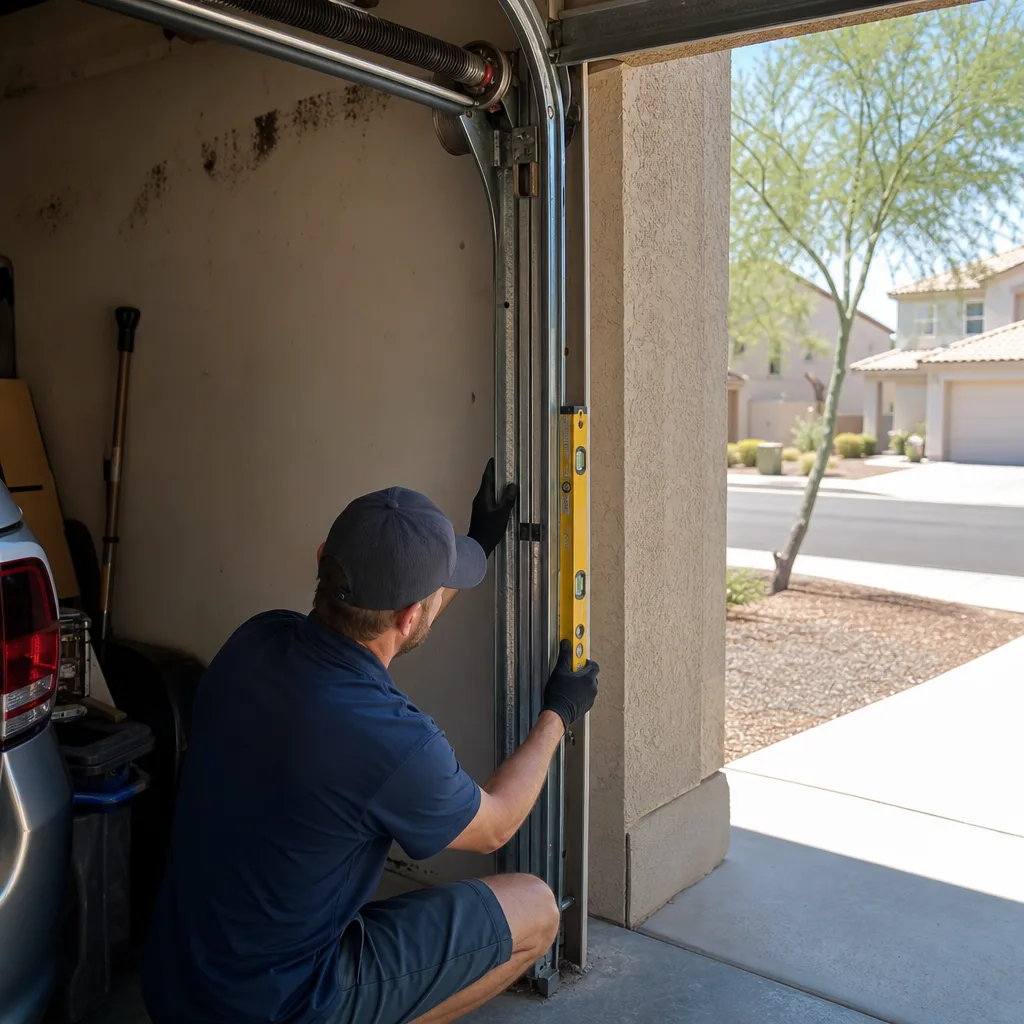
If you live in Val Vista Lakes, Power Ranch, Trilogy, Seville, Cooley Station, or any of Gilbert’s other planned communities, you signed an HOA agreement when you bought the home, and that agreement includes architectural standards for garage doors. This is the part that national garage door guides get completely wrong: you cannot buy whatever door you want. Your HOA’s design guidelines restrict panel style, material, color, and sometimes even the manufacturer. Before you shop, pull your HOA’s design guidelines document and find the garage door section. It will look something like this:
- Panel style: Most Gilbert HOAs require a flush or recessed panel with no raised trim, or a specific overlay pattern, often in the “carriage house” style. If your house was built after 2015 in Power Ranch, your door likely requires a recessed shaker panel in a specific earth tone.
- Color palette: The approved color list is usually a range of beige, tan, brown, and occasionally a specific dark brown or bronze. If you’re in Trilogy, the standard spec is a sand or almond tone with a specific R-value minimum.
- Material: Several Gilbert HOAs now require insulated steel or composite, explicitly prohibiting uninsulated wood-look doors. If your door faces a greenbelt or a wash, some HOAs also specify a top-coat UV protectant to prevent fading.
- Approval process: Before you can install a new door, you submit a written application with a photo or brochure of the new door, the color name and number, and sometimes a physical paint swatch. The turnaround in Gilbert HOAs typically runs seven to twenty-one days, though some management companies take longer in late spring when they’re processing paint applications for the entire community.
The practical effect is this: if you need a replacement door and you don’t have the HOA’s design guidelines in front of you, you may buy a door that violates the community’s standards, and the HOA can require you to replace it again at your own expense. We’ve had homeowners show up at our showroom with a quote for a door that was wrong the moment they picked it: wrong panel profile, wrong color number, not on the approved manufacturer list. The fix is to read the guidelines first, then shop. And if you already have the guidelines, bring them to your quote appointment. They save everyone time.
For a full walkthrough of replacement in Gilbert’s HOA context, including sample approval timelines, see our Garage Door Installation in Gilbert guide.
How Gilbert’s Heat and Monsoon Cycles Damage Garage Doors
Gilbert’s average July high is 105°F, but the temperature inside a south-facing garage can push past 130°F on a 115°F day. The garage acts as a heat sink, and that heat does three things to your door system that a manufacturer’s warranty won’t fully cover.
Heat fatigue on torsion springs. Springs are rated by cycle count, not by calendar years. A standard builder-grade torsion spring might be rated at 7,500 cycles, which sounds like a lot. In Arizona’s thermal cycling, the steel wire expands in the afternoon heat and contracts at night, which accelerates metal fatigue and shortens the spring’s life relative to the same spring in, say, Nashville. The failure is a clean break, not a slow degradation, and when it breaks, one side of the door carries the full weight. Attempting to open the door after a spring break with the opener can bend the track.
UV degradation on painted steel panels. Sonoran Desert UV exposure is among the most aggressive in the United States. Factory baked-on polyester finishes on entry-level doors will chalk and fade within four to six years in Gilbert, particularly on west-facing elevations. The better finishes, the polyurethane or powder-coat finishes used on mid-tier Clopay and Raynor doors, hold their color much longer in the East Valley. When you’re shopping for a replacement, ask not just for the door’s R-value but for the specific finish tech on the panel. “Factory finish” is not specific enough; you want to know if it’s polyester or polyurethane.
Monsoon humidity and cable corrosion. From late June through September, Gilbert’s humidity spikes from single digits to 40% or higher, often within a week. The cables that spool around the torsion drums are high-tensile steel, and the bearing surfaces at the cable ends are exposed to that humidity surge. Corrosion starts at the fitting, not the middle of the cable. If you see rust at the cable drum, you’re looking at the early stage of a cable failure. In monsoon season, we replace more cables than any other single component except springs.
The practical takeaway: whatever door is on your home today, and whatever door you install next, has a shorter service life in Gilbert than the same component would in most of the country. The data plate and the finish spec matter more here than they do almost anywhere else in the U.S. That’s not a sales pitch for more expensive doors. It’s an argument for knowing which spec you’re buying, so you’re not surprised in year six.
How to Read Your Door’s Data Plate and Spring Color Code
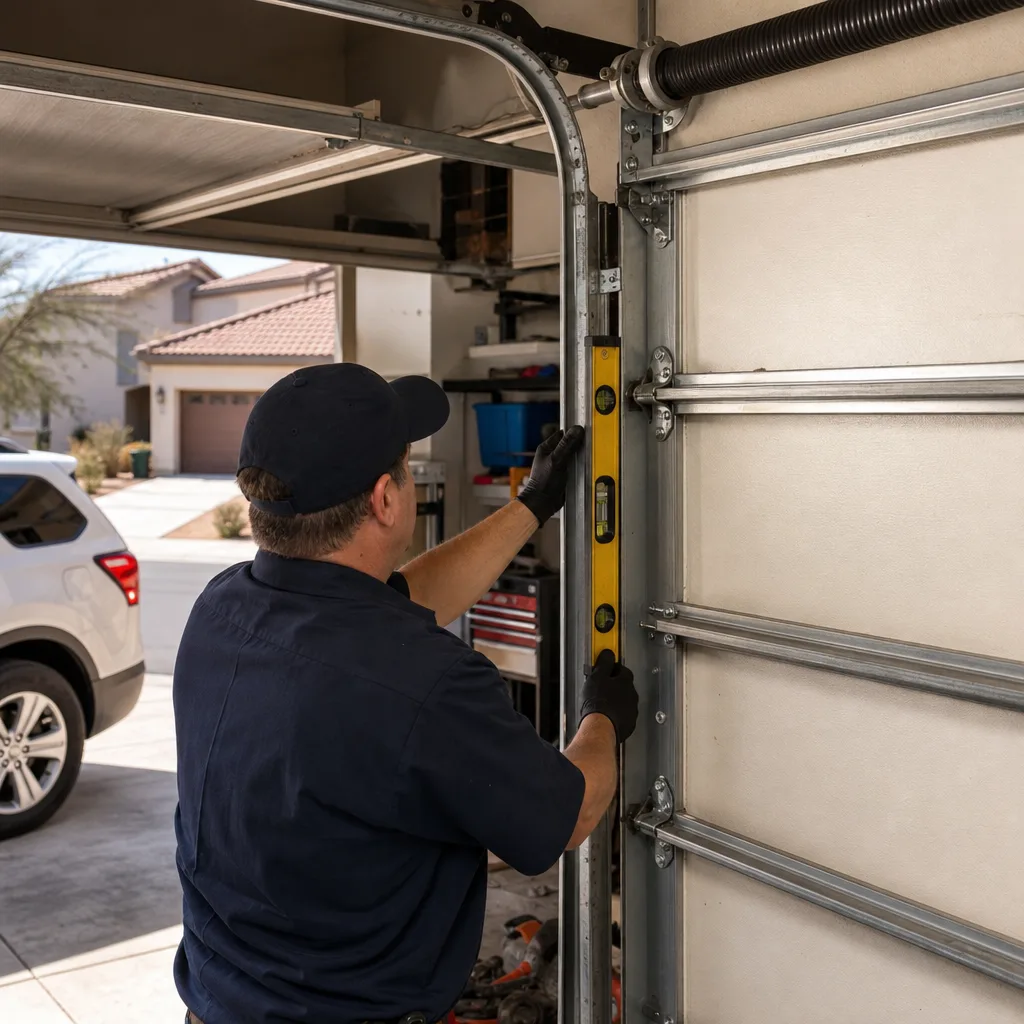
This is the piece of documentation that tells you whether a technician’s quote is calibrated to your actual door, and it’s one of the most useful things you can learn about your garage door if you live in Gilbert. Every modern door has a manufacturer’s data plate, usually a white or silver label on one of the door panels or on the end stile. It lists the model, the size, and sometimes the manufacturing date. The spring, if it’s a torsion spring, has its own identification: the color code painted on the end of the spring cone.
The spring color code matters because torsion springs are not one-size-fits-all. They’re wound to a specific torque based on the door’s weight and height. A spring on a 7-foot, 16-foot-wide insulated steel door will be different from a spring on a 7-foot, 16-foot-wide uninsulated door, which will be different from a spring on an 8-foot custom door. If a technician quotes you a spring replacement without reading the color code or weighing the door, they’re quoting blind. If you know the color code, you can verify the quote.
Here’s how to read it:
- Find the data plate. Look at the panel sections near the top of the door, on either end, and on the inside of the vertical track. Take a photo of it with your phone.
- Note the door’s dimensions and weight rating. You’re looking for the door size (often written as 16×7, meaning 16 feet wide by 7 feet tall) and sometimes the listed weight.
- Inspect the torsion spring ends. The spring sits on the shaft directly above the door, and each end has a colored mark, usually a paint dab or a colored cone. Common color codes include red, blue, tan, green, gold, orange, yellow, and white. The color corresponds to a specific wire diameter and torque rating.
- Check the cycle count. If the spring was replaced at some point and the technician was competent, it’ll be printed on the spring or noted on the door. If not, assume it’s builder-grade and rated at 7,500 to 10,000 cycles.
- Ask your technician to photograph it. A real professional will show you the failed spring, the color code, and the replacement spring. If someone refuses to show it to you, get a second opinion.
This is also the moment to mention the photo documentation thing, because it’s a difference in how we work that matters to anyone who’s been burned by a quote. Servo Garage Doors Gilbert has a founding rule, now codified in The Haven Standard, that the technician photographs the failed component before quoting a replacement. Clause 4 means the customer sees the failed part with their own eyes, not just the technician’s description. That’s the paper trail. That’s the evidence. And it means no one pays for a replacement spring that wasn’t actually broken.
Garage Door Replacement in Gilbert: Timeline, Cost, and Process
If your door is past repair, or the HOA has flagged it, or you’re tired of band-aid fixes, here’s what a full replacement in Gilbert looks like at a practical level. This section assumes a standard two-car garage on an HOA-governed lot, because that’s the majority of what we see in Power Ranch, Trilogy, and the newer sections of Seville.
Cost Breakdown
Garage door prices in Gilbert vary by insulation rating and finish, not just by square footage. Here’s a realistic price map for the East Valley, based on what we quote and what competitors we’re asked to second-opinion are charging:
- 1
Uninsulated single-layer steel door, 16×7: ul,800 to $2,400 installed. This is the budget option, and in Gilbert’s heat, we rarely recommend it unless the garage is detached and unoccupied.
- 2
Polystyrene-insulated steel door, 16×7: $2,400 to $3,200 installed. Mid-tier R-value (roughly R-6 to R-9), standard for most Gilbert HOAs.
- 3
Polyurethane-insulated steel door, 16×7: $3,200 to $4,200 installed. Better R-value and quieter operation. This is the sweet spot for attached garages in Gilbert.
- 4
Custom or carriage-style door, 8-foot height: $4,200 to $6,500 installed, depending on window inserts and HOA-mandated finishes.
These are installed prices, not “parts only.” They should include removal of the old door, disposal of the old door, new track, new springs matched to the new door, and a written warranty. If a quote doesn’t itemize the spring and track replacement, ask why.
The HOA Approval Step
If your community requires HOA approval, the process is sequential and you can’t skip it:
- Pull the design guidelines. Your HOA’s management company has them, usually online.
- Select a door that meets the spec. Match the panel style, color, and material to the approved list.
- Submit the application. Most forms require a photo or brochure of the new door, the color name, and the manufacturer. Attach a picture of your current door.
- Wait for the letter. The written approval is the only thing that counts. A verbal okay from the HOA manager won’t protect you if a neighbor complains later.
- Schedule the installation. Once you have the written approval, you can book the install.
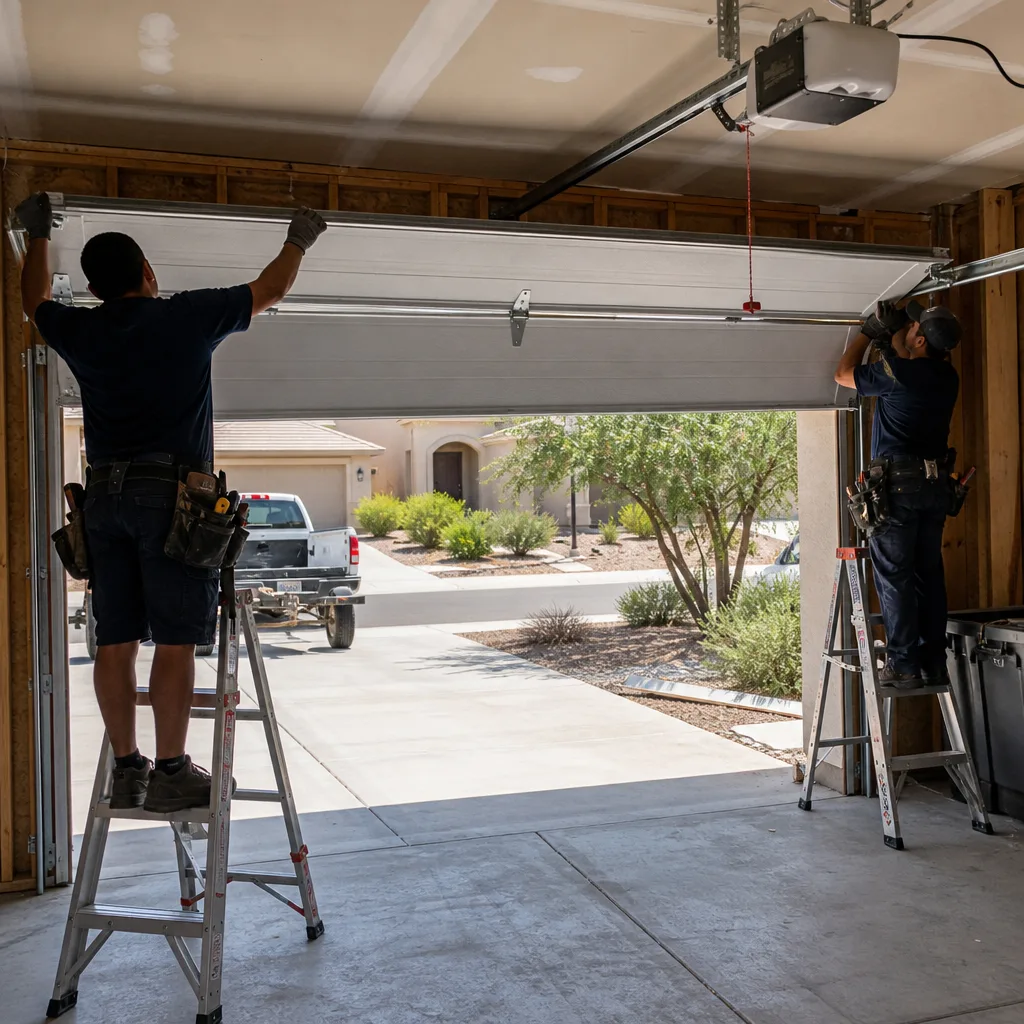
A note on timing: a full replacement, once the door is approved and in hand, is a one-day job in most cases. The lead time is usually the HOA approval plus the manufacturer’s shipping window, which for Clopay or Raynor custom builds can run two to four weeks. On the installation side, we’re seeing most Gilbert customers go from first quote to installed door in two to six weeks, depending entirely on their HOA.
For a deeper dive into the replacement process and what separates a good install from a sloppy one, see our Garage Door Installation in Gilbert guide.
Repair vs. Replace: The Decision Framework
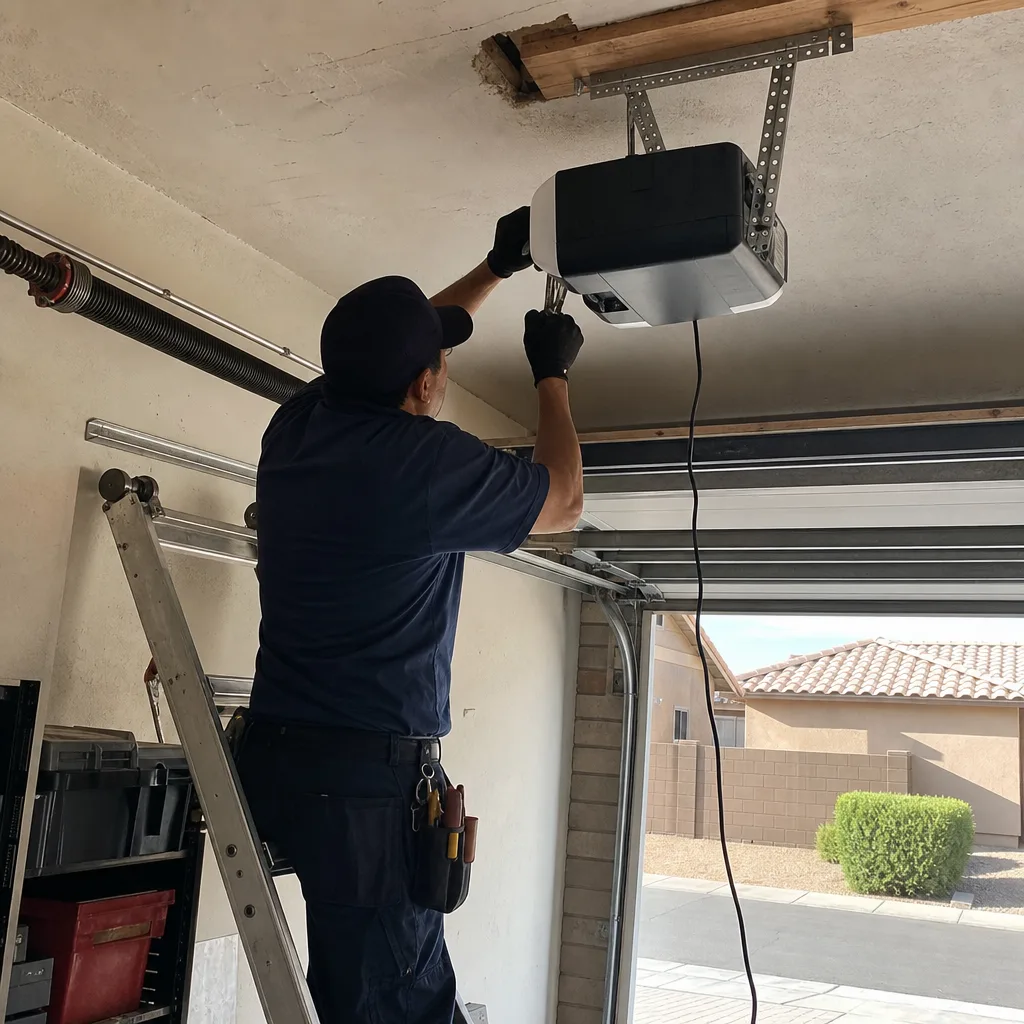
This is the question every Gilbert homeowner eventually faces, and the answer is more specific than “it depends.” Here’s a concrete decision tree, based on what we tell people who walk into the shop with a broken door and a pile of HOA paperwork.
Repair is usually the right call when:
- The door is less than eight years old and the panels are in good shape
- The failure is a single component: one spring, one cable, one roller, one sensor
- The door operates smoothly when the broken part is manually disengaged
- Your HOA hasn’t flagged the door and you don’t plan to sell within three years
Replacement is usually the right call when:
- The door is more than twelve years old and has builder-grade springs rated at 7,500 cycles
- Multiple panels are dented, rusted, or separating from their insulation
- The door is uninsulated and the garage is attached to the house
- Your HOA has sent a violation notice for color or panel condition
- You’re planning to sell and the door’s curb appeal is costing you listing price
The quiet truth in Gilbert is that many repair-versus-replace decisions are actually replacement decisions that the homeowner hasn’t accepted yet. A garage door on a 2016 build with the original springs, original rollers, and an opener that’s making noise is not going to be rescued by one more spring replacement. It’s going to need springs, rollers, hinges, and possibly a new opener within the next eighteen months. At that point, the math says replace.
If your opener is the problem rather than the door, our dedicated guide to Garage Door Opener Repair & Installation in Gilbert breaks down what’s fixable and what’s not.
Garage Door Openers in Gilbert: What Actually Matters
The opener is the most misunderstood part of the garage door system. Marketing materials push horsepower ratings and smart features, and those aren’t entirely irrelevant, but in Gilbert, there are three specs that matter more than the box-ticking features list.
Horsepower and Door Weight
For a standard 16-foot insulated steel door, a 1/2 horsepower opener is the floor, not the target. In Gilbert’s heat, the door’s insulation adds weight, and if the door is a carriage-style or 8-foot model, you want a 3/4 horsepower unit. Undersized openers work harder, run hotter, and fail earlier. The heat soak in an attached Gilbert garage amplifies that failure timeline.
Drive Type: Belt vs. Chain vs. Screw
A belt drive is quieter and the best choice for garages under bedrooms or living space, which describes most Gilbert floor plans. A chain drive is bulletproof and cheaper, but noisier. A screw drive needs less maintenance but runs hot in Arizona and has largely fallen out of favor. If you’re replacing a builder-grade Chamberlain or Craftsman chain drive with a belt drive LiftMaster, the difference in noise is immediate and worth the extra $150 to $200.
Battery Backup and Heat
Monsoon season in Gilbert brings power outages, not just humidity. A battery backup on the opener is a practical safety feature, not a gimmick, especially if you park in the garage and need to get the car out when the power’s down. Most mid-tier LiftMaster and Chamberlain units now include it as a standard feature, and it works for up to a day or two of normal use.
Brand note: In Gilbert, the opener market is dominated by LiftMaster and Chamberlain, both made by the same parent company, with Genie as the third major brand. All three have good distribution and parts availability in the East Valley. The difference between a 10-year opener and a 3-year opener in Gilbert’s heat is often the quality of the logic board components, and that’s why we recommend buying an opener based on build quality, not app features.
Common Mistakes to Avoid
These are the mistakes we see most often in Gilbert, and most of them are preventable with five minutes of reading before you spend money.
- Picking a door color without the HOA’s approved palette. Your HOA’s design guidelines are not a suggestion. The wrong color means a violation notice and, in some communities, a fine that accrues monthly until it’s corrected.
- Buying a replacement door without checking the panel profile. Even if the color matches, a raised panel where the HOA requires a recessed panel won’t pass. This happens more often than it should, especially when homeowners buy from a big-box store rather than a dealer who works in Gilbert regularly.
- Putting a 7,500-cycle spring on a door that gets opened four or five times a day. In Gilbert, that’s a six-year part. For most homes, a 15,000- or 20,000-cycle spring is the better economics, and the price difference is less than $100 per spring.
- Lubricating the door with WD-40. WD-40 is a solvent, not a lubricant. It displaces moisture and then dries out, leaving the rollers and hinges worse than before. In Gilbert’s dry heat, the correct lubricant is not for your moving parts.
- Ignoring the rust at the cable drums because the door still works. The cable drums are under the same load as the springs. When a cable snaps in monsoon season, the door can come off its track or drop unevenly. Rust at the drum is the one-week warning.
- Replacing the opener when the spring is the actual problem. If the door won’t open and the opener is running but the door isn’t moving, check the spring first. A broken spring disables the door, and a new opener won’t fix it.
- Calling a company that gives you a phone quote before seeing the door. In this trade, the price changes once the technician sees the door, unless the company is operating on a written-price model. If the quote isn’t written and specific, you’re getting a guess. Ask for the written scope before you agree to anything.
When to Call a Professional
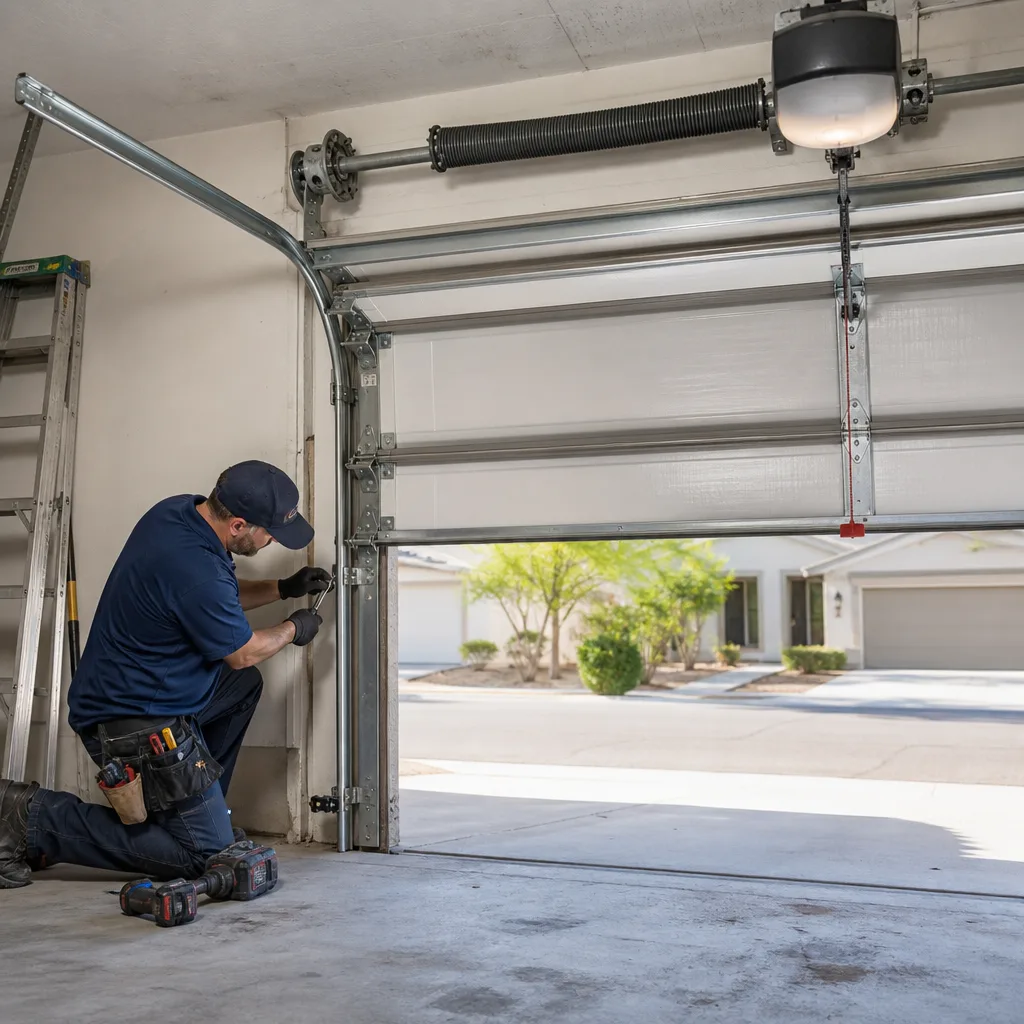
Some garage door work is safe to inspect as a homeowner; some is not. If a torsion spring has broken, do not touch it. If a cable has snapped and the door is stuck halfway, do not try to muscle it. If the door has come off the track, the weight is unsecured and it can fall. These are the calls where you need a trained professional, not a YouTube tutorial and a socket set.
Here in Gilbert, the heat and the HOA layer make the professional call even more specific. You need someone who can read the data plate, quote the correct spring by color code, handle the HOA paperwork, and give you a written price before the work starts. The Servo Garage Doors Gilbert home page has the full scope of what we document, and if you’re anywhere in Gilbert, Servo Garage Doors Gilbert offers free estimates and a written price before any work begins. Call (520) 482-3838 and a human answers.
Frequently Asked Questions
Most garage door repairs in Gilbert run between $180 and $450, depending on the component. A torsion spring replacement typically runs $180 to $320 per spring, a cable replacement $120 to $200, a roller replacement $80 to $200 for a full set, and a logic board or gear replacement $150 to $350. These are installed prices, not parts-only, and the price is quoted in writing before any work starts at Servo Garage Doors Gilbert. Call (520) 482-3838 for a specific quote based on your door’s data plate.
Most Gilbert HOAs, including Power Ranch, Trilogy, Val Vista Lakes, and Seville, require written architectural approval before a door replacement. The process is to pull the design guidelines, submit the new door’s style and color for review, and wait for the written approval letter before installation. The timeline varies by community but typically runs seven to twenty-one days.
In Gilbert’s heat, a builder-grade torsion spring rated at 7,500 cycles lasts about six to seven years with normal two-cars-per-day usage. Most of the failure rate comes from thermal fatigue, where the spring’s wire expands in 100°F-plus afternoons and contracts overnight, accelerating metal fatigue relative to cooler climates. Upgrading to a 15,000- or 20,000-cycle spring nearly doubles the life for a small price premium.
If your community requires it, no. Installing without written approval can result in a violation notice and, in some Gilbert HOAs, a fine that accrues until the door is corrected. The approval letter is the only documentation that protects you if a neighbor or management company later disputes the door.
A complete garage door opener replacement in Gilbert, including the unit, installation, and removal of the old opener, typically runs $400 to $750 for a belt-drive unit from LiftMaster or Chamberlain. The price varies by horsepower rating and whether the unit includes battery backup. See our Garage Door Opener Repair & Installation in Gilbert guide for a full breakdown.
It should not, if the company is operating on a written-price model. Servo Garage Doors Gilbert provides a written price and a written scope before any work begins, per Clause 1 of The Haven Standard, and the price you approve is the price you pay. Call (520) 482-3838 for an estimate that’s specific to your door and your neighborhood.
The Bottom Line
Your garage door in Gilbert is a system, not a screen, and the four components that make it work each degrade on a schedule that Gilbert’s heat and monsoon cycles accelerate. The HOA layer means the door you can buy is not the door you necessarily want, and the approval letter is not optional. The data plate and spring color code are your documentation that a quote is honest, and the written price before work begins is the difference between a contractor who’s guessing and one who’s accountable. None of this requires trusting a sales pitch. It requires documentation. If the documentation is absent, the quote is suspect. That’s the whole of it.
Call (520) 482-3838 for a free estimate. You’ll get a written price, a written scope, and a photo record of what was found and what was done.
Written by Marcus Deller, Owner at Servo Garage Doors Gilbert, serving Gilbert since 2015.